
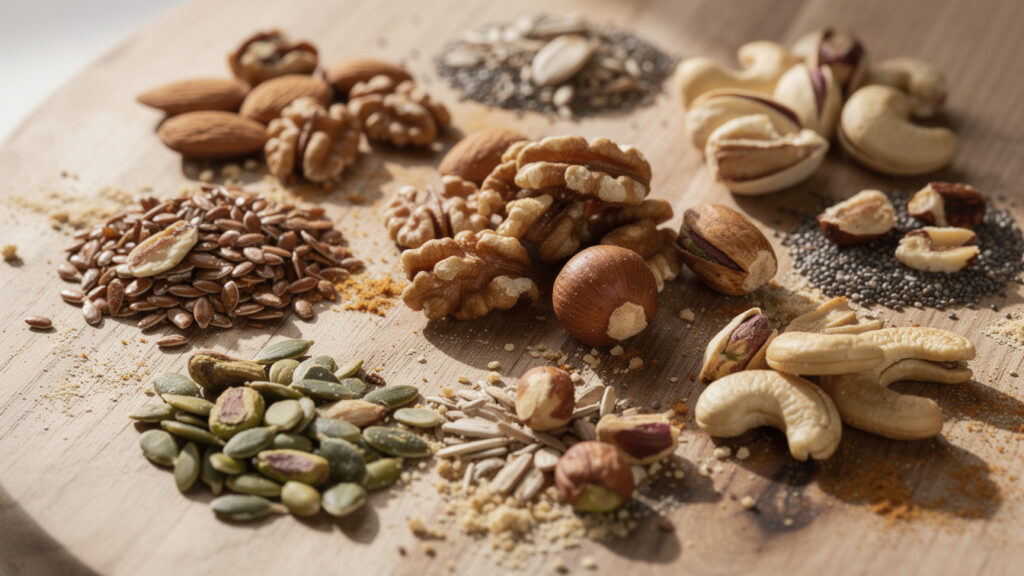

As we plunge into the energy of a new year, wellness topics are at the forefront of our minds, pushing many of us to reconsider our dietary habits. From smoothies to salads, nuts and seeds have quietly ingrained themselves in our meals as the go-to for health-conscious eaters. But here’s something that might surprise you: not all those little nuggets of goodness are as harmless as they seem. After two months of research into their impacts on our health, it’s time to have a straight talk about nuts and seeds—some should definitely be enjoyed with caution.
Highlights
- Nutrition Powerhouses: Nuts and seeds are packed with healthy fats, proteins, and essential nutrients. 🥜
- Moderation is Key: Overeating these tasty snacks can lead to calorie overload. ⚖️
- Debunking Myths: Some seeds pose minimal risks; however, misconceptions about their health benefits persist. 🔍
- Food Safety Matters: Knowledge on contamination and processing is crucial for making informed choices. 🛡️
Did you know? Eating just one ounce of nuts can provide you with 160 to 200 calories, making them a nutrient-dense snack! 🥳
The Nutritional Divide: Nuts vs. Seeds
Nuts are often misclassified but are primarily seeds of trees, whereas seeds can originate from a range of plants including fruits and flowers. Peanuts, for instance, are technically legumes! With this classification in mind, let’s take a closer look at some popular nuts and their nutritional benefits.
Almonds and walnuts stand out as nutritional heavyweights, rich in vitamin E, fiber, and healthy omega-3 fatty acids. Just a handful can provide substantial health benefits. However, my research revealed a critical point: moderation is crucial. Eating excessive amounts can lead to unwanted weight gain due to their calorie density.
On the flip side, seeds like chia and flax are lauded for their fiber content, giving you the feeling of fullness. But what happens when these are overconsumed? Increased fiber intake can lead to digestive discomfort for many. It’s essential to be mindful of portions!
Health Benefits and Risks
The buzz around nuts and seeds often centers on their ability to reduce the risk of diseases like cardiovascular issues and diabetes. This is primarily attributed to their high nutrient density. However, while studies consistently link nuts to lower cholesterol levels and improved heart health, the jury is still out regarding some seeds.
For example, some experts are cautious about the potential connection between seeds and digestive health. While seeds are rich in fiber, there was once a concern that they could lead to conditions like diverticulitis. Although research is evolving, this mindset persists, leading many to avoid certain seeds altogether.
Additionally, it’s vital to remain vigilant about food safety. Nuts and seeds can be vulnerable to contaminants, notably aflatoxins—naturally occurring toxins produced by mold that can pose serious health risks. Being aware of where and how your nuts and seeds are sourced is crucial for safety.
Strategies for Smart Consumption
Did you know that even though nuts and seeds are healthy, dietary guidelines generally exclude them from the “five-a-day” fruit and vegetable recommendation? This exclusion stems from their classification as protein sources rather than plant-based foods. Nonetheless, it’s argued that they should be embraced as part of a balanced diet to maximize nutrient intake. Many experts recommend a daily intake of about 30 grams, roughly equivalent to a small handful. This small amount is sufficient to enjoy their numerous benefits without overdoing it. With this in mind, let’s reinforce the importance of a balanced approach in enjoying these nutritional powerhouses. With the surge of interest in plant-based diets, the consumption of nuts and seeds has skyrocketed recently. As we embrace this culinary trend, it’s vital to distinguish between healthy habits and potential pitfalls, especially in 2026, where misinformation can spread like wildfire. Consumer awareness around nutrition is increasing, yet many may still take these foods at face value, overlooking potential health risks associated with overconsumption. Hence, a keen understanding of moderation, coupled with well-informed choices about food safety and quality, must guide our eating habits. As we explore the complex world of nuts and seeds in our diets, a clear pattern emerges: while these foods bring significant health benefits, a nuanced approach is essential. Educating ourselves about how much and which varieties to choose helps us enjoy everything these nutrient-dense foods have to offer while safeguarding our health.
Understanding Daily Recommendations
Delving Deeper into Consumption Trends