
The world of skincare is as diverse as the people who use it. In a landscape dotted with countless products, estheticians have increasingly turned their attention to homemade face masks. Why, you might ask? What is it about these DIY concoctions that draws professionals away from the shelves filled with commercial options?
Highlights 🌟
- Fresh Ingredients: Homemade masks typically utilize natural ingredients right from your kitchen, ensuring purity and potency.
- Customization: DIY options allow for tailoring to individual skin needs, providing personalized skincare.
- Cost-Effectiveness: Creating your own mask can be significantly cheaper than purchasing high-end store-bought masks.
- Natural Benefits: Many ingredients in homemade masks offer unique benefits that often outperform commercial options.
Mixing avocado with honey for a hydrating mask or blending yogurt with oatmeal for soothing properties connects us to age-old traditions in skincare. These practices have roots that extend back to Cleopatra’s time when natural ingredients were the primary source for skin rejuvenation. In current times, as many strive to embrace more organic and eco-friendly lifestyles, there’s renewed interest in these homemade rituals.
Ingredients at Your Fingertips 🍯
The ease of access to quality ingredients plays a significant role in the shift toward homemade masks. Rummaging through the pantry can reveal a treasure trove of potential beauty helpers. Whether it’s the hydrating capabilities of avocados or the antibacterial properties of honey, these ingredients can work wonders for your skin health.
- Avocado: Rich in fatty acids that hydrate and nourish the skin.
- Honey: A natural humectant helping to lock in moisture.
- Oatmeal: Excellent for soothing irritation and gently exfoliating.
Incorporating ingredients like cucumber can help refresh and brighten the skin, while essential oils such as lavender lend antimicrobial properties. These choices empower individuals to harness the natural efficacy of foods that they often have on hand, especially in an age where sustainability is key.
The Store-Bought Dilemma 🏷️
Store-bought masks indeed offer convenience. With a wide array of brands like Garnier and Biore boasting promises of youthful radiance and clear skin, how could they not tempt consumers? However, these products come with their own set of drawbacks. Many commercial masks contain synthetic ingredients and preservatives, which can be less desirable for those seeking organic beauty solutions.
Interestingly, even the labels that claim “all-natural” may still lack the full concentration of beneficial components typically found in their DIY counterparts. The meticulous processing involved in creating these products often depletes their potency, meaning that what looks good on the shelf may not deliver the expected results upon application.
Assessing Effectiveness and Safety ⚖️
While homemade masks can vary in consistency and effectiveness, they also allow for immediate adjustments and experimentation. One could layer in more honey for hydration or skip the milk if there’s a lactose sensitivity. The lower costs associated with DIY options enable patrons to test different formulations without heavy financial implications.
However, it’s essential to remain aware of the risks. Homemade masks, while fresh and organic, can invite contamination and have a shorter shelf life compared to well-preserved store-bought versions. This makes meticulous preparation and usage crucial for optimal results.
Popular Homemade Mask Recipes 🥑
When it comes to crafting homemade face masks, a few specific recipes stand out for their popularity and effectiveness:
- Milk Mask: A simple mix of powdered milk and water can leave the skin feeling refreshed and rejuvenated.
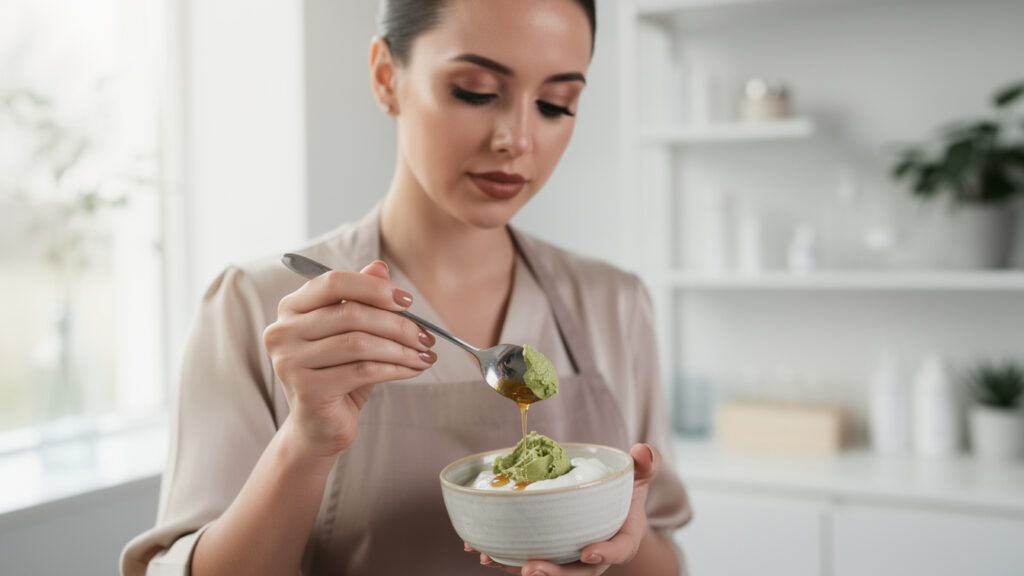
- Avocado and Honey: Perfect for hydration; mash avocado and mix with honey for a deeply nourishing experience.
- Oatmeal and Yogurt: Combines soothing properties with gentle exfoliation.
These recipes emphasize the benefits of everyday ingredients, making the beauty routine not only affordable but enjoyable as well. Imagine the comforting smell of honey mingling with the creamy richness of avocado – it’s like a mini spa treatment at home!
Making the Choice 📅
When deciding between a homemade face mask and a store-bought mask, it can be insightful to evaluate personal skin needs, budget, and time constraints. Some may prefer the tailored approach of DIY, valuing the creativity and personal touch it offers. Others, especially those with demanding schedules, might opt for the convenience of ready-made products.
The real key lies in balance. Perhaps alternating between weekend DIY recipes and weekday commercial options presents the best of both worlds. This hybrid approach allows for nurturing the skin with natural, wholesome ingredients while still benefiting from well-tested, backed formulations in commercial products.
In essence, the world of skincare offers various pathways to achieving healthy skin, and it’s all about finding what works for each individual. Choosing homemade face masks can be an empowering step towards embracing a holistic approach to skincare, with the added knowledge that every ingredient serves a purpose in the pursuit of beauty.