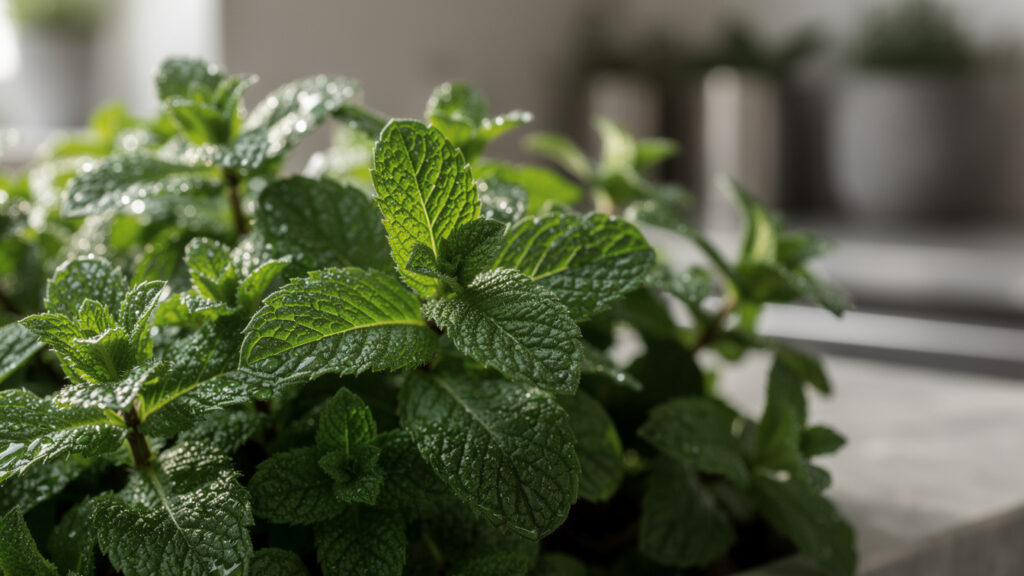

As winter’s chill begins to fade and the promise of spring emerges, there’s an undeniable urge to bring life back to our gardens. One of the most rewarding projects to undertake is nurturing a mint plant. If you’re like me, you know the delight of having fresh mint on hand for everything from cocktails to salads. But let’s be real: keeping mint lush and vibrant can be a bit of a challenge. As tempting as it might be to reach for the pruning shears or the fertilizer, I’ve found that the *real* secret to maintaining a robust mint plant is something much simpler: regular harvesting.
Highlights
- 🌱 Harvesting Regularly: Regular harvesting promotes bushy growth and prevents your mint from becoming leggy.
- 💧 Moisture Management: Consistent moisture is key; avoid letting your mint get too dry.
- ☀️ Lighting Conditions: Mint loves indirect light; direct exposure can lead to stress.
- 🥗 Culinary Versatility: From mojitos to salads, home-grown mint elevates any dish.
- 🌿 Container Gardening: Growing mint in pots helps control its vigorous spread.
Mint is known for its breathtaking resilience and incredibly fast growth, making it a versatile addition to any garden. However, if left unchecked, it can become overgrown and *leggy*—meaning it’ll stretch tall and sparse, instead of beautifully bushy. This is where the simple act of harvesting comes into play.
The Essence of Regular Harvesting
When it comes to mint, the golden rule is this: the more you *harvest*, the better your plant grows. Regularly snipping off leaves not only encourages the production of new foliage but also prevents that unsightly legginess we all dread. Think of your mint plant as a healthy shrub: frequent trimming and harvesting invigorate it, much like a good haircut does for us.
- ✂️ Time It Right: The best time to harvest is in the morning, just after the dew has dried. This is when the essential oils are at their peak, which maximizes flavor and aroma.
- 📏 How Much to Cut: Aim to cut stems down to about 5 inches. This prevents excessive height while promoting lateral growth.
It’s almost poetic how nature works. I remember the time I was preparing for a summer BBQ. I went out to my garden with scissors in hand, ready to snip away. Within minutes, I gathered enough mint for cocktails and garnishes, proving that a little care goes a long way. The satisfaction came not only from the abundance I harvested but from the thriving plant graciously yielding its bounty.
Moisture Management: Keeping Mint Hydrated
A critical aspect of mint plant care is maintaining the right moisture levels. Mint thrives in consistently moist soil. If you let it dry out too much, you’ll find the leaves wilting and drooping, not exactly the lush garden aesthetic we strive for. Yet, overwatering is equally damaging; that can lead to root rot. A balancing act, indeed.
Here’s a quick guide on watering your mint:
- 💧 Check Soil Moisture: Feel the top inch of the soil—if it’s dry, it’s time to water.
- 🌊 Deep Watering: Water deeply to encourage robust root systems that can support healthier growth.
- 🕳️ Good Drainage: Ensure pots have drainage holes to prevent waterlogging.
Keeping an eye on moisture will pay dividends in the form of vibrant, green leaves waiting to be plucked for your next culinary creation.
Lighting Conditions: Striking the Right Balance
Another vital factor in mint plant maintenance is lighting. While mint is adaptable, it flourishes best in moderate sunlight. Direct sunlight, especially during the hotter hours of the day, can stress the plant and lead to leaf burn.
To maximize your mint’s potential, consider these lighting tips:
- 🌞 4-6 Hours of Sunlight: Aim for indirect sunlight, especially in the afternoon when the sun is harshest.
- 🌿 Partial Shade: In hotter climates, a bit of afternoon shade can keep your mint thriving.
In my own experience, moving my mint pot to a slightly shadier spot in the afternoon made all the difference. The leaves became a richer green, signaling a happy, healthy plant.
Making the Most of Your Mint: Culinary Uses
Once you’ve successfully harvested your mint, the fun really begins. This herb is much more than just a garnish—it’s a flavor powerhouse. From adding brightness to salads to infusing cocktails with aromatic notes, the culinary uses are boundless.
Here are some delicious ways to incorporate mint into your cooking:
- 🥗 Altitude in Salads: Toss fresh mint leaves into your salads for a refreshing twist.
- 🍹 Cocktail Magic: Use it to create classic mojitos or modern twists on beverages.
- 🍵 Invigorating Teas: Brew fresh mint in hot water for a soothing tea that soothes and refreshes.
Just a pinch of mint can elevate the simplest meal to gourmet status. I still remember the first time I added fresh mint to iced tea; it transformed a humble drink into a refreshing summer must-have.
The Container Gardening Advantage
For those hesitant about planting mint in a garden bed due to its aggressive growth habits, container gardening is a game-changer. Growing mint in pots not only contains its spread but also allows for mobility, so you can shift it around for optimal sunlight throughout the seasons.
Here’s what to keep in mind for successful container gardening:
- 🪴 Choose the Right Pot: Select a pot that is at least 12-15 inches in diameter to give roots space to grow.
- 🕳️ Ensure Drainage: Good drainage is crucial to prevent waterlogging, which mint despises.
With a little effort and attention, an impressive mint plant can flourish even in a smaller space, providing fresh leaves right at your fingertips.
Maintaining strong, vibrant mint plants requires a bit of dedication, but it’s tremendously rewarding. With regular harvesting as your primary strategy, you’ll not only control growth but also ensure a perpetual supply of this incredible herb. Forget the pruning and the constant fertilizing; let your kitchen garden thrive through the simple pleasures of nurturing and harvesting. Your culinary adventures await!