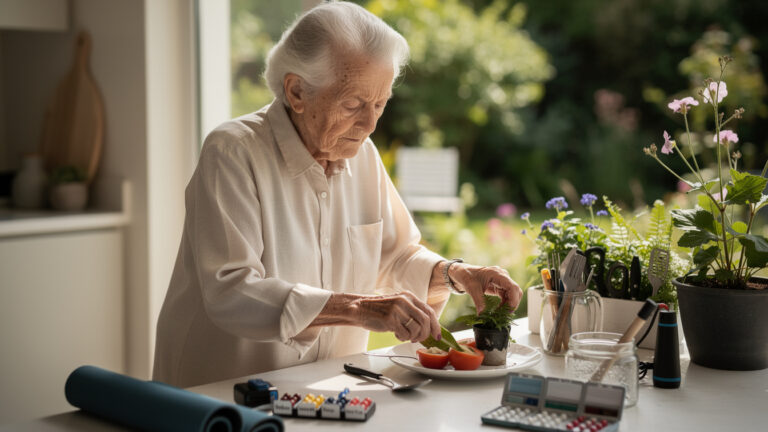


The idea of living to a hundred often conjures images of physically fit individuals, pumping iron or jogging through a park. However, I want to shed light on an equally important yet less discussed aspect: a simple non-physical habit that propels many centenarians toward independent living and combats the specter of moving into a care home. As we dive into January—a month often associated with resets and renewals—let’s explore how mental habits can shape longevity and healthy aging.
Highlights
- Mental Engagement: Staying mentally active is vital for longevity.🧠
- Social Connections: Relationships boost mental well-being.👫
- Habit Formation: Small, consistent habits can lead to remarkable changes.🗓️
Did you know that centenarians often prioritize mental stimulation just as much as physical health? It’s not just about how many laps you can swim; it’s about how you keep your mind engaged throughout your life!
The Power of Mental Engagement
I’ve often marveled at the stories of centenarians—those vibrant souls who often seem untouched by time. What strikes me is their commitment to staying mentally sharp. Research shows that cognitive engagement—whether through puzzles, reading, or even casual conversations—helps maintain brain health. In fact, studies indicate that lifelong learning can reduce the risk of cognitive decline significantly.
A visit to a local senior center unveiled an incredible scene: groups of elderly folks engaged in lively discussions over books they were reading. Their laughter echoed off the walls, a testament to their active minds. These connections remind us that mental engagement is not just about solitary activities but also about social interaction. It’s a two-for-one deal—stimulating your intellect while building relationships.
The Social Connection Factor
If you think that friendships become irrelevant with age, think again. Many centenarians attribute their longevity to robust social networks. Daily chats with friends, participating in community events, and remaining involved with family can protect against feelings of loneliness and depression, both of which can lead to physical decline.
Imagine a centenarian named Mary, who hosts a regular game night. Each week, her living room fills with laughter, strategy, and a little friendly competition. These interactions not only keep her spirits high but also enhance her mental agility. According to researchers, the benefits of staying socially connected can elevate one’s quality of life and even contribute to a longer lifespan.
Habit Formation for the Long Game
Transitioning from physical habits to more mental pursuits requires recognizing that daily actions indeed shape destiny. The same principles of habit formation apply to mental activities as they do to the physical realm. Setting aside just 15–20 minutes a day for a mental challenge—be it meditation, journaling, or language learning—can foster resilience and psychological well-being.
- 📅 Set a daily reminder for a “brain break.”
- 🌐 Join an online class or discussion group.
- 📚 Designate a reading hour each evening.
A personal story resonates here. After committing to consistent journaling, my perspective shifted dramatically. It became not just a way to recount the day, but a powerful tool for introspection and emotional release. This practice showed me how small, consistent habits can accumulate into significant lifestyle changes.
The Intersection of Mental Well-being and Preventive Care
Preventive care is often viewed through the lens of physical health—regular check-ups, a balanced diet, exercise routines. Yet, mental well-being deserves equal attention. Many centenarians emphasize the importance of emotional health, suggesting that a positive outlook can lead to better health outcomes.
For instance, take those who embrace challenges with curiosity rather than dread. This mindset fosters resilience, making it easier to adapt to life’s changes. The act of reframing struggles into opportunities is more than just a mantra; it becomes a way of life that can lead to remarkable health benefits.
Aging in Place: The Mindset Shift
Aging in place is more than a physical environment—it’s also about cultivating a mental landscape where vibrant living thrives. Centenarians embody this mindset, where the focus on self-sufficiency and maintaining independence supersedes reliance on external support. By fostering mental habits that align with living your best life, one can create a fulfilling existence well into the later years.
It’s essential to cultivate optimism and a sense of purpose. Whether it’s volunteering or engaging in hobbies, these pursuits can create a sense of value that ties back to the non-physical habits discussed. Living with intention not only enhances mental health but also promotes physical well-being.
The lessons learned from centenarians remind us that living fully involves more than physical fitness; it encourages a broader understanding of health. Incorporating mental engagement and nurturing social connections may ultimately lead to a fulfilling and independent life. As we embrace the season of resolutions and reflection this January, let’s commit to enhancing our mental habits—not just for ourselves but for generations to come.