
Watering your garden might seem straightforward, yet the timing can significantly impact both your plants’ health and water conservation. As we move into 2026, the conversation around sustainable gardening practices becomes increasingly vital. Everyone benefits when we save water, especially in a world facing rising utility costs and climate challenges.
Highlights
- 🌅 Optimal Watering Time: Early morning watering is key for efficient irrigation.
- 💧 Drip Irrigation Systems: These systems can conserve over 50% more water compared to traditional methods.
- 🌾 Mulching Techniques: Applying mulch can greatly reduce evaporation and enhance soil health.
- 🌍 Group Plants Wisely: Organizing plants by their hydration needs can prevent waste.
Water is essential for gardening, yet it’s alarmingly easy to misuse this precious resource. Practices like watering in the sweltering midday sun can waste a lot of water—up to 50% of what you apply may evaporate before it ever reaches your plants. That’s a shocking statistic, isn’t it? Let’s dive into how proper timing can alter this narrative.
The Science Behind Optimal Watering Time
Watering early in the morning or late in the evening is the gold standard. During these cooler parts of the day, evaporation rates drop significantly, allowing more water to reach plant roots. Morning watering allows plants to absorb hydration before facing the day’s heat, providing a robust start.
Evening watering has its merits too, but it can lead to other issues like fungal diseases due to prolonged moisture on leaves overnight. So while it’s less ideal than morning watering, it still serves as a viable option. Avoid midday watering, as plants are stressed by the heat, and much of the water will evaporate before it even has a chance to soak in.
Embracing Drip Irrigation for Super Savings
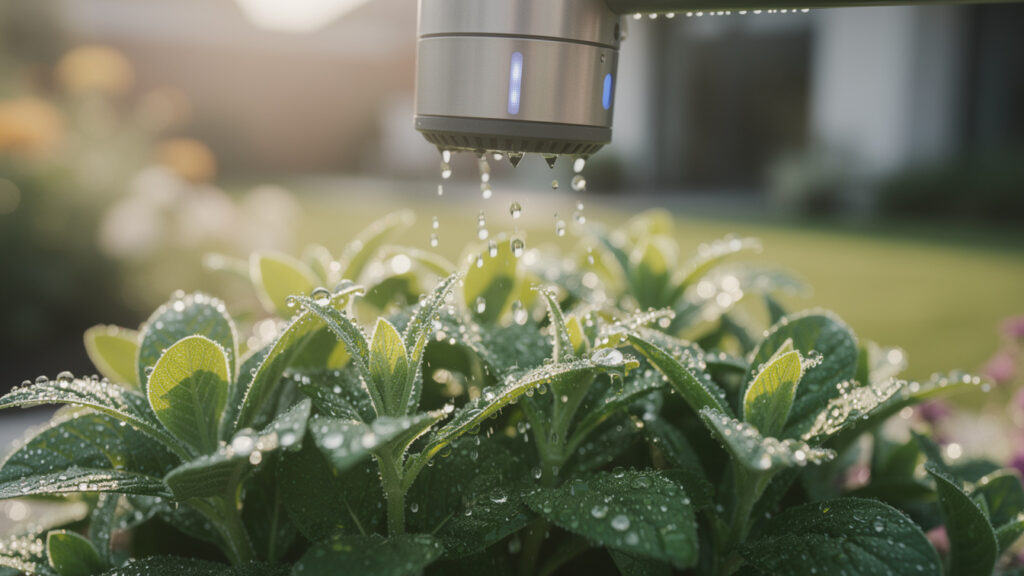
Drip irrigation systems have revolutionized how we think about watering gardens. By delivering water directly to the base of each plant, they drastically reduce both evaporation and runoff. In fact, compared to traditional sprinklers, drip systems can save you a staggering 50% more water!
- 🔧 Precision Targeting: Water delivery is focused solely where it’s needed.
- 🌱 Weed Reduction: By minimizing water in unwanted areas, weeds are less likely to flourish.
- ⏲️ Automation: Many drip systems can be automated, making your life easier and your garden healthier.
These systems are perfect for a variety of gardens, from sprawling vegetable patches to delicate flower beds, ensuring optimal plant hydration with minimal waste.
Maximizing Moisture Retention Through Mulching
Adding a layer of mulch around your plants isn’t just aesthetic—it’s a vital step in water conservation. Mulch acts as a barrier, slowing evaporation and keeping the soil moist. By applying a 2–4 inch layer of organic mulch, you’re not only retaining moisture but also enriching the soil as it decomposes.
- 🍂 Organic Mulch: Options like wood chips or straw provide excellent moisture retention.
- 🪨 Inorganic Mulch: Gravel or landscape fabric can also do the job while minimizing weed growth.
Keep mulch a bit away from plant stems to avoid rot and ensure your garden thrives without wasting water.
Grouping Plants by Water Needs
Have you ever noticed that some areas of your garden seem to thrive while others struggle? This often comes down to watering habits. By grouping plants with similar hydration needs, you can customize your irrigation approach, ensuring that each plant receives just the right amount of water.
For instance:
- 🌵 Xeriscaped Zones: Ideal for drought-resistant plants like succulents.
- 🌿 Moisture-Loving Areas: Perfect for ferns or vegetable gardens that crave hydration.
- 🌼 Moderate Zones: Include perennials that require a balanced approach.
By organizing your garden in this way, you can optimize watering while preventing wastage, keeping your plants healthy and vibrant.
Implementing Smart Tools for Monitoring Water Use
Technology can aid in making our gardens more efficient. Soil moisture sensors and weather-based irrigation controllers take the guesswork out of watering. The sensors measure moisture levels at various soil depths, preventing overwatering and promoting healthy roots.
Meanwhile, smart irrigation controllers adjust schedules based on real-time data, such as rainfall and humidity. This means no more watering during unexpected rain showers—a productivity boost for both your garden and your water bill!
In a world that increasingly values sustainability, adopting these water conservation practices is not just a trend—it’s crucial. The techniques discussed here, from optimal watering times to the implementation of smart technology, are actionable steps anyone can take toward becoming a more responsible gardener. Let’s promote healthy ecosystems while ensuring our gardens remain lush and thriving.
Take Action for Your Garden
Ready to save water and boost your garden’s health? Start by adjusting your irrigation routine today. Whether it means setting your alarm a bit earlier or investing in a drip irrigation system, every small change counts. Explore your options, consider your garden’s needs, and see the difference you can make! 🌱💧
Until next time, happy gardening—let’s cultivate a greener future together!