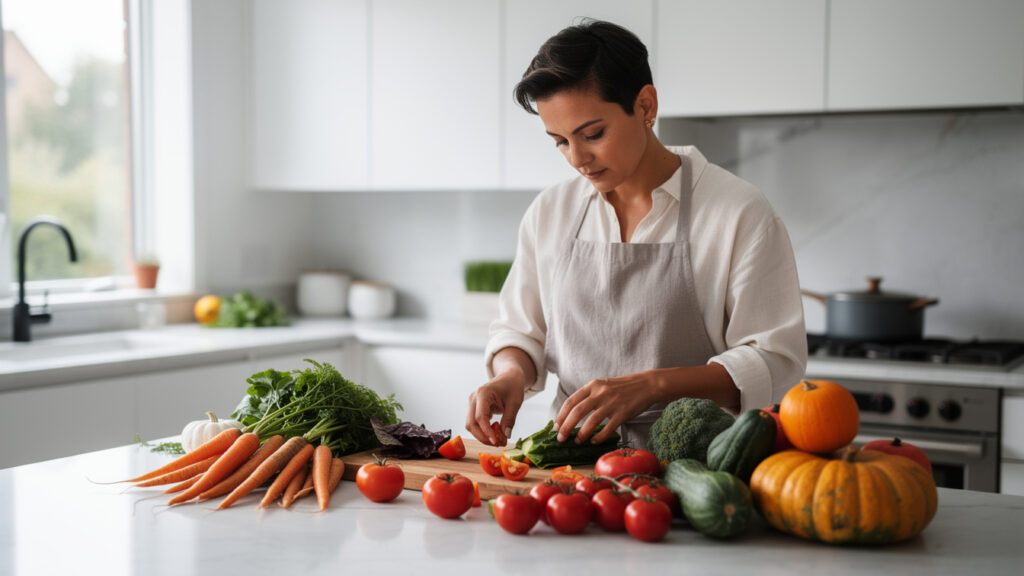

The turn of the new year brings fresh opportunities, and where better to start than in the kitchen? With seasonal vegetables at their peak, I decided it was time to overhaul my cooking style. Gone are the days of limp, overcooked greens and sad salads. Instead, chef tips transformed my kitchen into a vibrant haven of flavor and zest!
Highlights
- ✨ Roasting transforms veggies with crispy, caramelized edges.
- 🚫 Avoid overcrowding the pan to prevent steaming.
- 🌽 Fresh ingredients create robust flavors in every dish.
- 🍽️ Creative meal ideas to celebrate the bounty of each season.
- 🌱 Healthy cooking starts with seasonal vegetables!
When I first discovered the transformative power of high-heat roasting, it felt like a revelation. Before that, my cooking repertoire was limited to steaming or boiling vegetables. The results were underwhelming—taste was practically nonexistent. However, a dinner party invitation changed all that. A friend dazzled the table with a tray of crispy broccoli florets that shimmered with olive oil. Intrigued, I had to learn how to achieve those flavors myself.
Unlocking the Secrets of Roasting
It’s common knowledge that roasting vegetables brings out their natural sweetness, but the method truly makes all the difference. Roasting at a high temperature—usually around 400°F to 425°F—creates a perfectly crispy exterior while maintaining tender interiors. This method works wonders for root vegetables like carrots and potatoes, as well as firm greens like Brussels sprouts and cauliflower.
Take, for instance, Brussels sprouts. When roasted properly, they lose their reputation for being bitter and instead turn into delightful bites of caramelized goodness. To achieve this, spacing is crucial. According to chef Janet Cobb, the number one rule in roasting is to avoid overcrowding the pan. When you pack too many vegetables together, they don’t get that lovely roasted flavor; they steam instead. This results in blurred textures and a disappointment on the taste buds.
Practical Kitchen Tips for Roasting Success
Here’s what I’ve learned about roasting to guarantee success every time:
- 🌡️ Heat Matters: Aim for high temperatures. If a recipe suggests 400°F, don’t hesitate to crank it up to 425°F for added crispiness!
- 🗂️ Space it Out: Leave at least half an inch between pieces. This allows hot air to circulate and eliminate moisture.
- 🔪 Even Cuts: Slice vegetables into uniform pieces to promote even cooking. Smaller chunks will caramelize beautifully, while larger ones may remain undercooked.
- 🌿 Season Wisely: Brush vegetables lightly with olive oil and season them after they’ve been roasted. Adding salt beforehand can draw out moisture, leading to the dreaded sogginess.
Another critical aspect is selecting the right types of vegetables. Those with higher water content, like zucchini and mushrooms, are prone to steaming if crowded. Janet suggested an excellent tip for mushrooms: wipe them down with a cloth to retain their firmness instead of washing them. It sounds simple, but it makes a world of difference!
Season and Flavor: Cooking with Fresh Ingredients
As winter settles in, vegetables like root crops and hardy greens come into their prime. Think sweet potatoes, cabbage, and kale. By shopping at local farmers’ markets, I discovered an array of fresh ingredients just waiting to be the stars of my meals.
For example, consider roasted sweet potatoes paired with kale and a sprinkle of feta—it’s an easy yet gourmet dish that everyone will love. Adding seasonal spices like cinnamon and nutmeg can elevate these simple meals into something extraordinary. Not to mention, they provide a warm, comforting feel during chilly evenings.
Fun Ways to Enjoy Seasonal Vegetables
Adopting a seasonal approach has opened doors to endless meal ideas. Here are some enjoyable ways to incorporate seasonal veggies:
- 🥦 Simple Salads: Toss roasted asparagus or radishes with mixed greens for a vibrant salad. Drizzle with lemon juice for a refreshing kick!
- 🍝 Pasta Perfection: Add blanched vegetables to your pasta dishes, creating a colorful and nutrient-rich meal.
- 🌯 Wrap It Up: Use seasonal vegetables in wraps or sandwiches for an easy lunch option.
- 🥘 Layered Casseroles: Combine various seasonal veggies in a hearty casserole for a filling dinner.
By integrating fresh ingredients into daily cooking, meals have become not just food, but an experience to relish. I find myself drawn to the vibrant colors and flavors, transforming mundane plates into culinary masterpieces.
A Culinary Transformation
My journey into the world of seasonal cooking has truly transformed my approach to meals. Gone are the dreary days of uninspired cooking; now, every dish is a chance to explore the rich tapestry of flavors that seasonal vegetables offer. Whether it’s a simple roasted dish, engaging salads, or hearty casseroles, the options are boundless.
As I adapt more chef tips and embrace seasonal cooking, I encourage others to do the same. With each veggie, clouded perceptions of boring meals clear away, replaced by transformative flavors and nutritious benefits!