
As the cold of winter embraces us and the days stretch into long, dark evenings, we find ourselves retreating to our homes in search of warmth and comfort. Yet, while we often fuss over the temperature and lighting—adjusting the thermostat or dimming the overhead lights—there’s a deeper layer to consider. What makes some rooms feel utterly exhausting, while others wrap us in cozy warmth? The answer may lie in a factor often overlooked: the mental and emotional weight of clutter.
Highlights
- 🌀 Clutter weighs heavily on our mental state.
- 📊 Research findings show a direct link between space layout and mental clarity.
- 🛋️ Effective furniture arrangements can create a perception of space and ease.
- 🌿 Integrating natural light elevates mood and energy levels.
Interestingly, studies indicate that people working in tidy environments are more productive and less stressed than those in chaotic spaces.
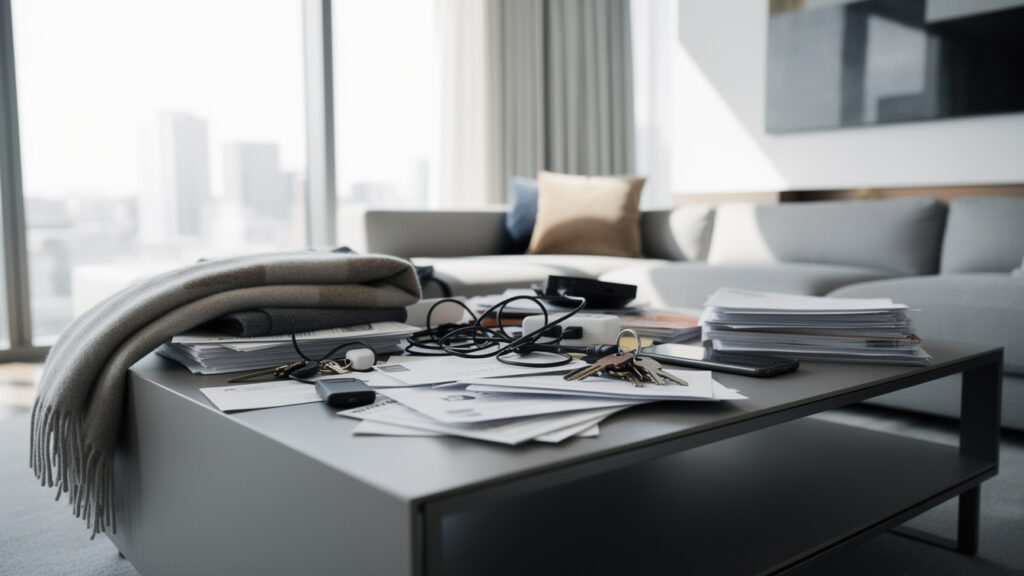
Let’s unpack why clutter affects us so profoundly. Picture yourself entering a room brimming with disorganized items—books stacked haphazardly, clothes strewn about, and a myriad of knickknacks covering every surface. It’s not just the visual chaos; it’s the mental burden of everything that needs organizing or dealing with. Clutter creates a sense of overwhelm, pulling focus and draining energy. It’s a contributing factor to that dreaded feeling of exhaustion we experience in certain spaces.
The Mental Load of Clutter
Research from Princeton University highlights that our brains struggle to focus in cluttered environments. The paper demonstrated that our ability to process information diminishes when we are surrounded by disarray. This ties back to our evolutionary roots; our ancestors had to remain alert to their surroundings. Today, navigating a chaotic space instead of a well-organized one can lead to what some refer to as “decision fatigue.” The incessant need to decide where to look and what to focus on is draining.
Moreover, the feeling of being surrounded by clutter can also produce anxiety. I know from personal experience how walking into my cluttered living room can transform my mood from upbeat to stressed in a heartbeat. It’s not just about tidiness; it’s about retaining clarity in thought and emotion. The very nature of a space can either elevate or deplete our energy. When we make a conscious effort to declutter, there’s a tangible shift; a sense of lightness and clarity often follows.
Creating a Space That Works
How do we remedy this little monster of clutter? First, start with a space audit—identifying what truly needs to stay and what can go. Practical tips include:
- 🗃️ Use bins and baskets to organize smaller items, keeping them out of sight.
- 📅 Schedule regular decluttering sessions—I recommend monthly check-ins to prevent overflow.
- 🎨 Adopt cohesive color schemes to create visual harmony, making spaces feel larger and calmer.
A harmonious space doesn’t just happen. It requires deliberate choices in furniture arrangement and space layout. Positioning furniture with intent can enhance movement flow, reducing the sense of clutter. In preparation for entertaining or simply relaxing at home, think strategically about how you can enhance the experience of each room.
The Power of Natural Light
Now, consider the role of natural light—a true powerhouse in combating room fatigue! Extensive research links daylight exposure to enhanced mood, better sleep, and increased energy levels. In spaces where light floods in through windows, people report feeling more alert and less fatigued.
Transforming your space can be as simple as rearranging furniture to maximize sunlight exposure. Consider that floor-to-ceiling window in your living room or that breakfast nook that’s sun-kissed in the morning. Using sheer curtains allows the light to permeate without too much glare, combining aesthetics with functionality.
Managing Air Quality and Ventilation
A little-known contributing factor to feeling drained in a room is air quality. Stuffy or stale air can have a significant impact on our overall energy levels. Ensuring proper ventilation is crucial—open a window or use an air purifier to circulate the air in your home. A great tip is to introduce indoor plants, which can act as natural air purifiers and enhance the breathing quality of your environment.
Every choice made within a space—be it regarding furniture arrangement, color schemes, or incorporating elements of nature—creates an atmosphere that either sustains energy or inexorably drains it. Understanding these dynamics allows us to create sanctuaries in our own homes.
Combat Noise and Odor
Another key layer in this tapestry is how noise and odor contribute to exhaustion levels. Disturbing sounds can fragment focus, and unpleasant smells can prompt discomfort or distraction. Consider choosing materials and décor that absorb sound and eliminate unwanted noise pollution, from soft rugs to wall hangings.
Simultaneously, opting for natural, unscented products for cleaning and air freshening will make a room feel more inviting. If you love scents, focusing on aromatherapy with essential oils can truly enhance your living space.
Ultimately, redesigning your space involves much more than just aesthetic choices. It’s about creating an environment that supports vitality, clarity, and a sense of calm. Take time to audit your spaces: declutter regularly, integrate nature, utilize natural light, and ensure good ventilation. The payoff is worth it—a happier mind and a vibrant home.