
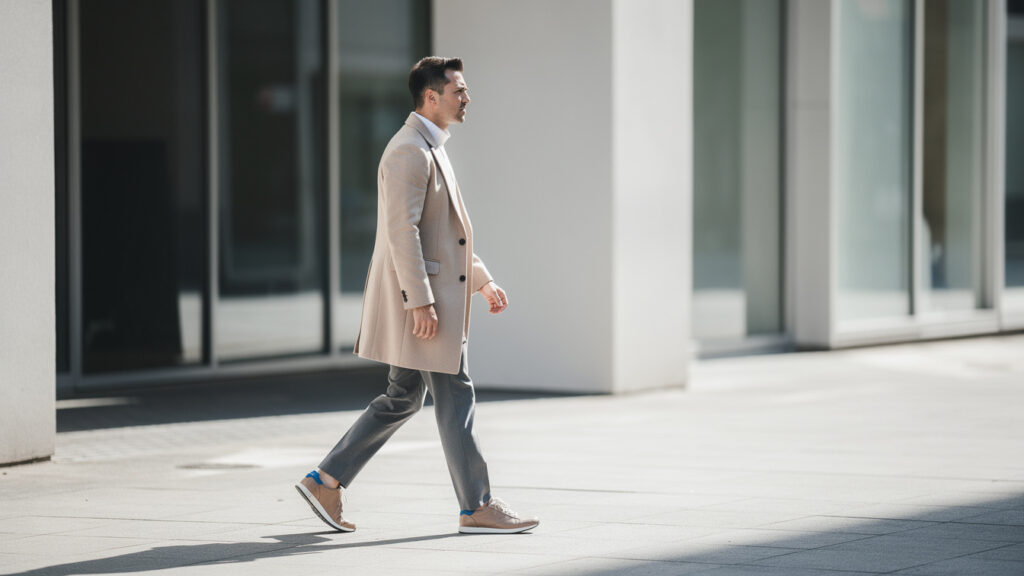

The way we walk communicates so much about who we are and how we feel. It’s fascinating to think that our posture can be interpreted as a reflection of our mental state, revealing nuances beyond mere confidence or arrogance.
Highlights
- 🧍 Posture influences how others perceive us.
- 🙌 Good posture boosts both mood and confidence.
- 🧠 The connection between body language and mental health is profound.
- 🔍 Small changes in walking style can greatly enhance self-awareness.
Understanding how posture works isn’t just a vanity project—it’s a gateway to uncovering deeper insights about ourselves. When I step back and observe individuals striding down the street, I can’t help but notice the different nonverbal cues conveyed through their body language. Some walk with a deliberate confidence, while others seem to blend into the background, perhaps hinting at feelings of insecurity.
Recognizing the Connection Between Posture and Perception
It’s clear that our walking style isn’t just about the physical act; it’s rooted deeply in psychology. Studies indicate that individuals who present themselves with good posture are often perceived as more capable and self-assured. This isn’t mere coincidence; rather, it’s a feedback loop. As we stand tall, we foster a positive self-image, which reinforces our desire to carry ourselves with grace.
Consider this: a person who walks with their head held high, shoulders back, and a purposeful stride is typically seen as more approachable and confident. In contrast, a slouched posture can suggest low energy or disinterest, affecting interactions even before a word is spoken. So, the next time you step outside, pay attention to how you hold your body. It’s revealing more than you might think.
Creating a Positive Posture Habit
The excellent news is that posture is a skill that can be improved with dedicated practice. Here are some simple ways to cultivate awareness around your posture:
- 🧘♂️ Practice alignment: Stand with feet shoulder-width apart and distribute your weight evenly.
- 🌟 Engage your core: Supporting your spine helps to project confidence.
- ⏰ Regular check-ins: Set reminders throughout the day to assess your posture, especially when working at a desk.
Incorporating these practices can lead to noticeable changes not only in how you feel but also in how others respond to you. It’s a win-win—your self-esteem improves, and your relationships flourish.
Posture and Mental Health: A Vital Connection
Delayed changes in posture can also impact our mental health. Recent research highlights that an upright posture elevates mood and can serve to alleviate symptoms of anxiety and depression. When we stand tall, our bodies send signals to our brain that we are in control, ultimately leading to higher energy levels and greater resilience.
But awareness is key. Recognizing the state of your body can lead to transformative shifts in mindset. Just think about a time when you felt overwhelmed or stressed—did you notice how your body reflected those feelings? Often, we find ourselves hunching over in defeat, but standing taller can challenge those negative thought patterns.
The Evolving Role of Technology
With the rise of technology in our day-to-day lives, maintaining posture has become increasingly complex. Whether it’s the perpetual presence of screens or modern workspaces that are less than ergonomic, we must adapt. Fortunately, innovative solutions are emerging. Posture-correcting wearables and smartphone reminders help keep our bodies in check, constantly nudging us toward better habits.
While navigating a virtual world, we can’t afford to neglect our physical presence. The irony is that as we become more digital, the essence of strong body language grows essential to effective communication. Utilizing tools intelligently can lead to lasting changes both physically and emotionally.
Adopting Good Posture for Lasting Change
I’ve observed that embracing a posture that exudes tranquility and poise doesn’t happen overnight. It’s a continuous journey that requires mindfulness and consistent practice. Each small adjustment, when combined, can contribute to a profound change in how we view ourselves and how others view us.
Here are a few more strategies to ensure that you remain on track:
- 👣 Walk with intention: Whether it’s a stroll through your neighborhood or a quick dash to the store, think about your gait.
- 💻 Ergonomic settings: Ensure your workspace is tailored to support your frame, promoting comfort.
- 💪 Core strengthening: Regular exercise that targets the core helps support good posture.
Making these actions a part of daily life ultimately leads to enhanced well-being and a more profound connection with yourself.
In 2026, the truth remains clear: our posture is a window into our minds. It’s time to reclaim the narrative and take ownership of how we present ourselves to the world. This isn’t merely an exercise in looking good; it’s about cultivating a real, vibrant presence that aligns every part of our lives. So, lift that chin, roll those shoulders back, and step confidently—it speaks volumes more than you might realize.