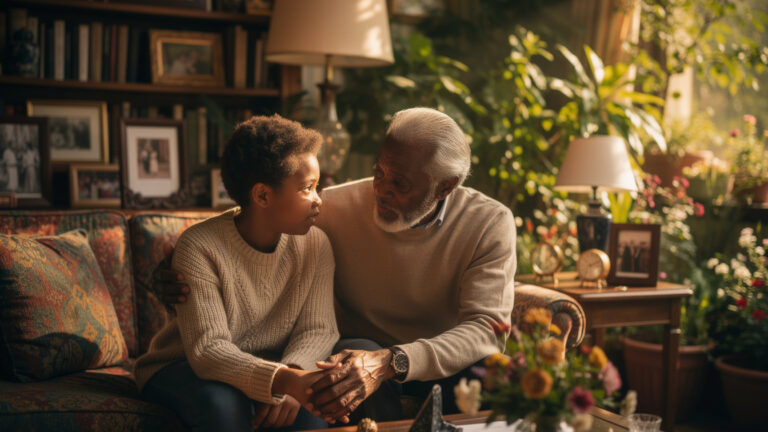


Generational divides may seem like an age-old issue, but they’re more pronounced than ever, especially as language evolves. With a myriad of phrases originating from older generations, young people often find themselves rolling their eyes, wondering how on earth these seemingly harmless sayings can be perpetuated. The communication gap has never been wider, fueled by a mix of evolving societal values and differing emotional languages. Let’s dive into how some of these common phrases have the potential to create misunderstandings and intergenerational conflicts.
Highlights
- Generational differences in communication styles often lead to misunderstandings. 🤔
- Younger generations prioritize empathy and validation over hard-earned wisdom. 💡
- Common phrases can carry unintended meanings, causing tension and misunderstanding. ⚡
- Bridging the communication gap requires respect and an understanding of context. 🤝
Consider the classic phrase, “Back in my day…”—it might seem nostalgic to Baby Boomers, but for younger generations, it’s a sure recipe for dismissal. This type of statement implies that the past is superior to the present, negating the unique challenges that today’s youth face.
For Baby Boomers, phrases reflecting resilience, like “You just need to work harder,” are seen as wisdom passed down through generations. Yet, to Gen Z, these words often translate to an emotional shutdown, dismissing contemporary realities of burnout and mental health awareness.
Understanding the Disconnect
The crux of the problem lies in what these phrases represent. To older generations, directness conveys honesty and loyalty—a value deeply rooted in their upbringing. However, young people interpret this clarity differently, as they prefer communication laden with emotional depth and inclusivity. For them, feelings of safety in conversation are paramount.
Psychologists note that different eras shape worldviews fundamentally. Boomers often untangle emotions privately and translate struggles into lessons. In contrast, younger individuals prioritize open discussions about mental health and emotional wellness. Thus emerges a vital gap in understanding and emotional empathy.
Beyond mere linguistic disagreements, this cultural tension has created stereotypes that both sides grapple with daily. While older generations might brand young folks as overly sensitive, the latter often view the former as perpetually out of touch. It is crucial to recognize that these perceptions come from deeper-rooted values, not just from language. Ignoring the emotional weight behind words can further widen this gap.
Common Phrases That Cause Eye Rolls
Here’s a rundown of some buzzwords that ignite the generational firestorm:
- “Life isn’t fair. Get over it.” – For Boomers, it’s a call for resilience; for Gen Z, it feels dismissive. 🚫
- “You just need a thicker skin.” – A phrase that communicates toughness for some, but to others, it’s outright invalidation. ❌
- “We didn’t have all these mental health issues back then.” – This statement might reflect a time of silence around mental health, leaving younger folks feeling unheard and unsupported. 🧠
Each of these phrases illustrates not just a gap in communication but a fundamental clash of values. The broader implications of these phrases highlight the stronger emotional awareness that younger generations seek in dialogue. Communication is about much more than just words; it embodies respect and acknowledgement of experiences across different generations.
The Role of Media and Stereotypes
Pop culture sharply amplifies these generational divides, often trivializing complex emotional labor into mere jokes. It tends to frame Boomers as out of touch while labeling Gen Z as overly sensitive. This unproductive narrative harms genuine interaction and dilutes the resilience that each group possesses.
Lazy stereotypes also contribute to this misunderstanding. The expectation that one side should simply “get it” without effort or context fosters a feeling of hostility. This isn’t merely a misunderstanding; it’s a breakdown of respectful communication that both sides can learn from.
We can begin mending this divide by incorporating intentionality in our language. Before offering advice, questions about intent can reveal more profound insights: “Am I trying to connect or correct?” This critical reflection lays the groundwork for bridges rather than walls.
Reframing Communication for Better Understanding
Opening the door to genuine dialogue involves nurturing curiosity. When encountering a dismissive response, ask for clarification rather than jumping to conclusions. This shift from defensiveness to a willingness to understand paves the way for mutual respect.
In addition, sharing your intentions helps model vulnerability that can bring clarity. A statement like, “I meant this as encouragement, but I see how it didn’t land right,” encourages a two-way dialogue, fostering trust and empathy.
Your words can reveal your worldview; they can either build bridges or construct barriers. It’s essential to adapt communication styles to better suit the evolving societal landscape. By listening deeply to the underlying needs that each phrase reflects, both young people and older generations can start to foster genuine connections.