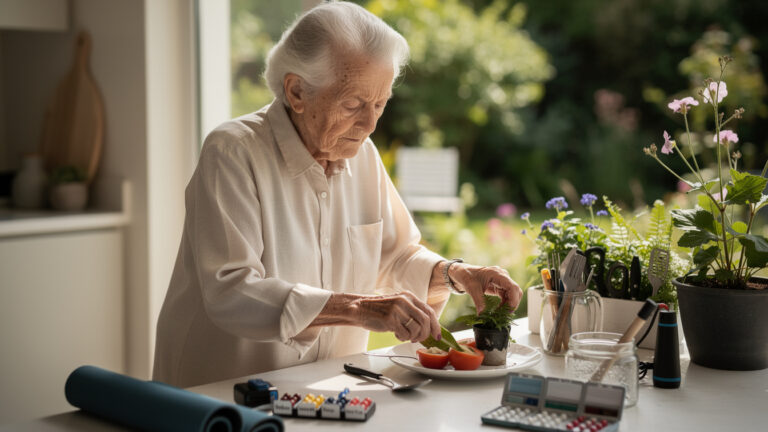


Social dynamics are complex, and on occasion, they can feel overwhelmingly burdensome. Recently, I decided to put a halt to socializing and spend three months focused on myself. The idea was simple: disengage from the constant chatter of social expectations, rekindle my own sense of self, and truly explore what happens when we step back from the social whirl. What transpired along this journey provided enlightening insights into the realm of social interaction, mental health, and self-care.
Highlighting the Key Takeaways 📌
- Social Withdrawal vs. Choice: Understanding the difference between being withdrawn by circumstance and choosing solitude.
- Psychological Impacts: Exploring how reduced socializing affected mental health and emotional well-being.
- Introversion and Self-Discovery: How embracing solitude can lead to personal growth.
- Strategies for Balanced Engagement: Practical steps to integrate social interaction back into life when ready.
Did you know that structured solitude can boost creativity? Studies suggest that solitude fosters higher levels of imagination and innovation! 🎨
The Nature of Social Withdrawal
Social withdrawal can manifest in several ways, from maintaining selective social ties to complete retreat from interactions. Essentially, it often reflects a spectrum—some crave the buzz of company, while others find fulfillment in moments alone. But what does it mean when this withdrawal crosses into the realm of social anxiety or prolonged isolation?
When assessing my three-month hiatus, I discovered that withdrawal, should it be a conscious choice, can serve as a powerful tool for self-reflection. During this time, I became more aware of my daily rhythms and personal motivations. It allowed for an assessment of what socializing meant to me versus what it was perceived to be by others. Many who choose solitude do so for personal growth; they wish to recharge creatively or mentally, rather than disengage due to fear.
Understanding the Psychological Effects
The psychological repercussions of reducing social contact can be significant, but they can manifest quite differently depending on the individual. For some, like many introverted souls, this period led to a peaceful relaxation and a drop in social stress. Yet, for others, the absence of interaction could fuel feelings of loneliness or self-doubt. The critical takeaway here is to know yourself.
Studies indicate that people who withdraw from social environments often experience shifts in emotional regulation. For instance, instead of grappling with social anxiety at events filled with strangers, the solitary months provided clarity and a chance to manage stress effectively. However, I noticed that prolonged solitude could also lead to decreased social skills, making the prospect of re-entering the social arena daunting.
Embracing Introversion for Personal Growth
During this solo journey, I embraced what it meant to be an introvert. Those three months became a canvas to explore topics that piqued my curiosity, aligning closely with my interests without the noise of group pressures. Engaging deeply with books and documentaries fueled my intellectual endeavors. This emphasis on solitary learning illuminated the intrinsic value of allowing time for our thoughts to breathe.
It was fascinating to observe how, without the noise of small talk and social obligations, I could dive into personal projects. Whether through writing or the practice of mindfulness, I discovered the potency of falling in love with my priorities once more. In this, I felt increased emotional well-being, forging a stronger connection with my inner self.
Returning to Social Engagement: Strategies for Balance
As with any journey, balance is key. Transitioning back into socialization post-withdrawal can be tricky. The first step lies in acknowledging one’s personal needs. It is essential to understand whether social engagement has become voluntary or a source of obligation. Here are some constructive strategies to consider when preparing to re-integrate:
- 🌱 Start Small: Begin by engaging in low-pressure social settings—think coffee with a friend instead of large gatherings.
- 📅 Schedule Social Time: Make intentional plans with a few trusted individuals; this creates a sense of control.
- 🤝 Explore Community Interests: Join hobby groups where the goal is collaboration or shared passions.
Remember that it’s entirely normal for individuals to need varying levels of social interaction. I learned the importance of testing the waters gradually, affirming my comfort level at each step.
Finding Your Social Spectrum
Ultimately, this journey reconfirmed the importance of embarking on a personal assessment of social habits. Are you an introvert who thrives in solitude, or do external circumstances trap you in social isolation? It’s vital to identify your position on this spectrum. Those who lean towards solitary activities must remember not to fall prey to harmful isolation.
In consulting with psychology, individuals must explore how pivotal engagement can be for mental health. Strong social relationships can provide necessary support during turbulent times, emphasizing the need for balance between solitude and connection. Recognize when solitude shifts from being constructive to harmful; such awareness promotes emotional well-being.
Everyone’s experience on the social spectrum varies. The beauty lies in acceptance, understanding that whether you revel in company or embrace solitude, both allow for profound personal growth and emotional discovery. 🌟