
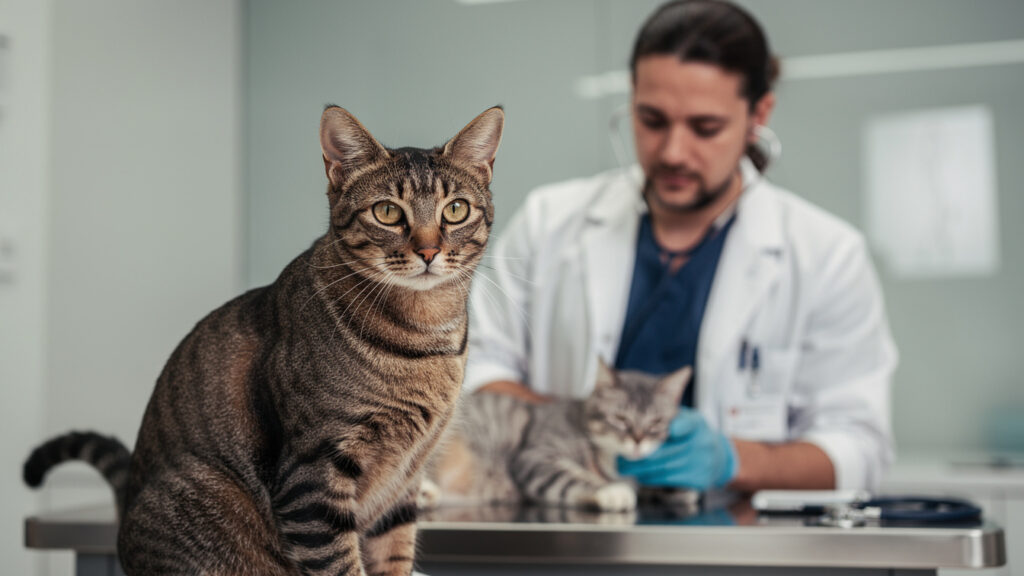

As the winter blues settle in, many of us are spending more time at home, snuggled up with our furry companions. It’s the perfect time to take stock of our cats’ health, but while we enjoy their warmth and company, we must also remain vigilant. Veterinarians are issuing urgent warnings about potential health risks that every cat owner must be aware of.
Highlights
- 🐾 Emerging diseases like sporotrichosis present new challenges for pet owners.
- 🐱 Common health concerns include chronic kidney disease and urinary tract issues.
- ⚠️ Signs to watch for: weight loss, increased thirst, and abrupt behavior changes.
- 💡 Proactive care can significantly improve your cat’s quality of life.
Did you know? The CDC has raised alarms about a fungal disease, sporotrichosis, spreading through cats, a condition typically overlooked until it escalates.
Understanding the Risks: Sporotrichosis
First off, let’s delve into sporotrichosis—a mouthful, right? But the implications are serious. This fungal disease, primarily seen in tropical regions, has made its way onto American soil, raising red flags for veterinarians and pet owners alike. The reality is, a significant number of cats can carry and transmit this fungus without showing symptoms. It spreads via skin lesions typically resulting from fights with infected felines, making it crucial for owners to monitor their pets closely.
In many cases, a simple scratch from an infected cat could result in unsightly lesions, which could then be transferred to humans through casual contact. The spore-containing environment is primarily plant matter—a detail that some might overlook when considering how their pets interact with the outdoors. Engaging in a playful fight at the local park might seem harmless, but now more than ever, it’s imperative to keep an eye on your cat’s playmates.
Common Health Concerns for Cats
Sporotrichosis isn’t the only health issue to worry about. Diseases like chronic kidney disease and feline lower urinary tract disease (FLUTD) remain some of the most prevalent among domestic cats. With indoor cats often living longer lives, these conditions become more prevalent as they age. Owners should be aware that symptoms may not always be obvious—cats are notorious for hiding their discomfort.
- 🏥 Chronic Kidney Disease: Watch for weight loss, increased thirst, and urination.
- 💧 FLUTD: Symptoms may include straining to urinate or blood in the urine.
The beauty of being a pet owner is the minute changes in behavior that can signal underlying health issues. However, the flip side is the potential risk of missing those cues until it’s too late. Regular vet check-ups and an awareness of your cat’s habits could save a lot of heartache down the road.
Identifying the Warning Signs
So how do you know when it’s time to call in the professionals? Here are some subtle—but critical—red flags to keep an eye on:
- 🔎 Sudden Weight Loss: A noticeable drop might indicate serious health issues like diabetes or thyroid problems.
- 🚰 Increased Thirst and Urination: A cat that suddenly drinks more water or uses the litter box frequently may be a sign of underlying disease.
- 🤮 Persistent Vomiting: While the occasional hairball is typical, recurrent vomiting should not be ignored.
- 💤 Lethargy: A decline in energy could point to pain, illness, or even depression.
These behaviors serve as an informal warning system. It’s crucial to monitor these changes closely and act swiftly. The vet may seem like an intimidating place, but always remember—it’s better to err on the side of caution. Early intervention can often lead to more favorable outcomes.
Proactive Approaches to Cat Health
Engaging in proactive health care for your cat can transform their well-being. Making informed dietary choices is an excellent start. For those with chronic kidney disease, a low-phosphorus diet can significantly ease the load on their kidneys. Meanwhile, cats suffering from FLUTD can benefit from additives like glucosamine, which support bladder health.
Moreover, supplements specifically designed for feline health, such as Dr. Jones’ Ultimate Feline Health Formula, can provide the necessary nutrients your cat may lack, promoting a more robust immune response. As pet owners, it’s vital to leverage these tools—because a little extra care goes a long way.
The Role of Veterinarians in Disease Prevention
Veterinarians serve as frontline defenders against these emerging threats. Their role in disease prevention cannot be overstated. With the rise of sporotrichosis and other infections, those at the frontlines are raising awareness through education and community outreach. Knowing that every small effort counts when it comes to your pet’s health is empowering.
For instance, if a veterinarian identifies a pattern of sporotrichosis cases, immediate reporting becomes critical to curb potential outbreaks. Likewise, pet owners must collaborate with their vets, providing a comprehensive record of their pet’s health and behaviors. This partnership can significantly enhance early detection and treatment plans—potentially saving lives.
Staying Informed for Cat Safety
With these warnings in mind, staying informed is more crucial than ever. Each day brings changes, and what worked for your cat before may not hold today. Keeping an eye on local health alerts and veterinary recommendations can foster a safer environment for both cats and humans.
Finally, don’t hesitate to educate yourself further. Joining community groups or forums dedicated to cat care can provide invaluable shared experiences and tips. Whether online or in person, learning from fellow pet owners creates a network of support that’s hard to beat.
In the grand scheme of things, the true gauge of a happy feline isn’t just their playful antics but also their enduring health. Tackling these warnings head-on and repositioning our focus on preventative care will only enrich our time with them. In the spirit of cat companionship, let’s take it upon ourselves to ensure that every instance spent with our furry friends is as joyful and safe as possible. Together, we can make a significant impact on their well-being!