
As the days shorten and the temperatures drop, one might think autumn is a straightforward affair—leaves change color and drift to the ground, right? Not so fast. Many people are utterly misguided about this process, and the implications for our gardens and outdoor spaces are profound. It’s time to delve into the truth about autumn leaves and dispel a few common misconceptions that could harm our gardens. Let’s unpack this seasonal transition with a fresh lens.
Highlights
- False Autumns: Extreme weather can lead to early leaf fall.
- Misunderstood Leaf Care: Fallen leaves aren’t just mess; they offer significant benefits!
- Essential Gardening Tips: Proper autumn maintenance can boost plant health.
- Environmental Importance: Understanding seasonal changes is crucial for wildlife survival.
Did you know? Many believe autumn begins with the first leaf drop, but the official start doesn’t happen until September 22! 🍂
The Reality of False Autumns
To start, let’s talk about something that often gets overlooked: the phenomenon known as “false autumn.” Due to increasingly extreme weather patterns, such as prolonged heatwaves and drought, trees can act as if autumn has arrived early. Dr. Mike Wheeler from the University of Worcester explains that trees often shut down prematurely under stress, shedding their leaves ahead of time. This “false autumn” can leave your garden vulnerable as wildlife adapts, leading to food shortages for birds and other creatures that rely on the autumn bounty.
Last year, my neighbor’s apple tree dropped its fruit weeks too early, leaving him with a fraction of the usual harvest. This was not merely an isolated mishap but a consequence of shifting climatic conditions affecting plant cycles across the board.
Common Misconceptions About Leaf Care
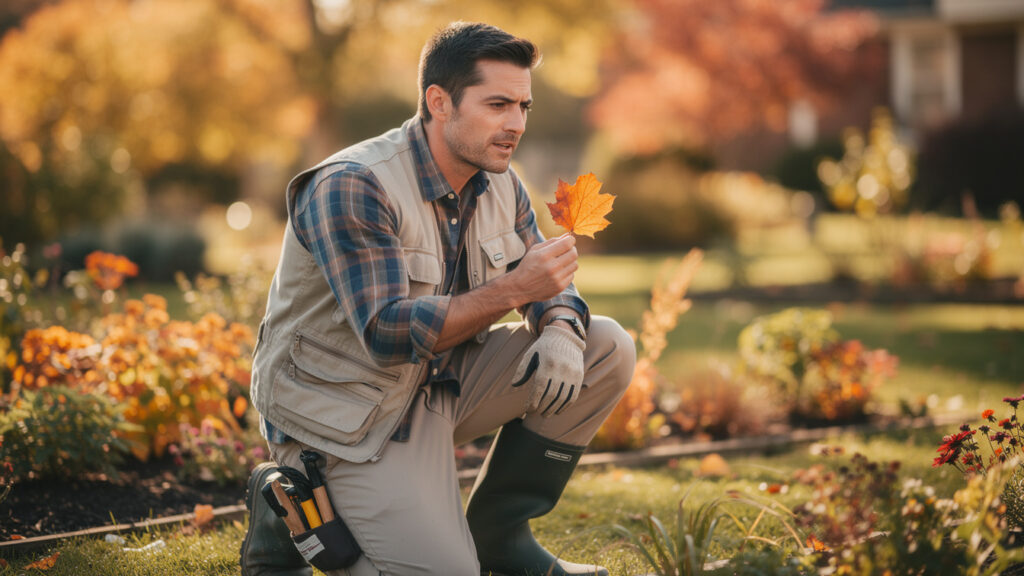
One prevalent misconception is the belief that fallen leaves should be raked up and disposed of to keep gardens tidy. However, many experts argue that these leaves are a natural resource. Instead of seeing them as a nuisance, consider them a nutrient-rich mulch that improves soil health as they decompose.
- 🍂 Natural Mulch: Leaving fallen leaves can insulate your plants and retain moisture.
- 🦋 Wildlife Habitat: Decaying leaves offer shelter for beneficial insects, an essential part of your garden ecosystem.
It’s no wonder that many professional gardeners advocate for leaving some leaf cover. Just imagine the layers of rich microorganisms working tirelessly to enhance plant health while you get to enjoy your outdoor space without the hassle of constant cleanup.
Gardening Tips for Better Plant Health
As tempting as it is to clean up every last leaf, avoiding common gardening blunders is crucial during the autumn months. Here are some key tips to keep your plants thriving:
- 💧 Continue Watering: Consistency is key; don’t stop watering too early, as plants still need moisture as they prepare for winter.
- ✂️ Remove Damaged Plants: Autumn offers the perfect opportunity to clear out diseased plants to prevent the spread of pests.
- 🌱 Plant Spring Bulbs: Get ahead for spring by planting bulbs before the first frost to ensure robust root development.
These practices ensure that the ongoing seasonal changes benefit your garden rather than hinder it. After all, proactive outdoor maintenance is the secret ingredient for a thriving spring garden!
The Broader Environmental Impact
We must also consider the broader environmental implications of poorly managed autumn leaf disposal. As climates continue to shift, understanding the effects on wildlife becomes increasingly crucial. Wildlife, including birds and small mammals, depend on healthy ecosystems that properly cycle through the seasons.
By being thoughtful about our approach to leaves and gardening maintenance, we facilitate the survival and flourishing of various species during the colder months. Rakes and leaf blowers harm not only this delicate balance but disrupt the natural cycle designed to enrich the soil.
Reflecting on Seasonal Changes
The deceptive beauty of autumn can easily lead us to misunderstand vital truths about nature. As the vibrant leaves fall, they play an essential role in our gardens and ecosystems. Misconceptions about keeping a tidy yard often obscure the resilience of nature’s design.
So, the next time those leaves begin to fall, consider what they do for your garden rather than just seeing them as a chore. Nature is resourceful, and by embracing seasonal changes, we align ourselves with its natural rhythms.
This season, let’s shift our perspective and treat our outdoor spaces with the care and respect they deserve, allowing nature to work its wonders while we enjoy the beauty of autumn.