
Clogged drains can be the bane of any homeowner’s existence. You know the feeling—you’re about to wash your face, and suddenly, the sink turns into a mini swimming pool. In the heat of the moment, it’s all too tempting to grab that familiar orange bottle of Drano or a similar chemical drain cleaner. But what if I told you that this quick fix could be causing more harm than good? Today, let’s dive into the world of pipe cleaning and discover a more effective, eco-friendly solution.
Highlights
- Harsh chemicals might clear clogs but can damage your pipes. 🚫
- Fast clearing alternatives like baking soda and vinegar offer safe solutions. 🧪
- Regular pipe maintenance can save you headaches and money. 💰
- Using a drain snake is a simple, effective method for many types of clogs. 🔧
Most people have experienced the frustration of a blocked sink or shower drain. While the allure of quick solutions like harsh chemical cleaners can be tempting, it’s crucial to pause and think about the long-term implications. When encountered with a clog, the typical instinct is still to reach for those convenient chemical solutions. But what harm do they inflict on your plumbing system?
Why Harsh Chemicals Don’t Cut It
The reality is that chemical drain cleaners contain powerful ingredients like sodium hydroxide and bleach. These substances create heat while breaking down clogs, but they don’t discriminate. What’s mixed in with that gunk can also include your pipes, leading to corrosion over time. It’s a double-edged sword—while they might clear minor clogs temporarily, the wear and tear inflicted on pipes is often irreversible.
Imagine pouring such caustic substances into your plumbing and expecting no backlash. That’s like throwing a grenade into a room and hoping for good décor afterward! Additionally, many homeowners misuse these products by attempting to clear toilet clogs, which generates enough heat to crack porcelain. Not the kind of DIY magic one hopes for!
Eco-Friendly Alternatives for Clog Removal
So, what’s a homeowner to do? Allow me to introduce you to eco-friendly alternatives that get the job done without punishing your plumbing system. One of my personal favorite combinations is baking soda and vinegar. This duo not only cleans well but is also incredibly gentle on pipes.
- Baking Soda, Salt, and Cream of Tartar: A mix of these pantry staples can do wonders. Combine ½ cup of baking soda with ½ cup of salt and ⅛ cup of cream of tartar. Pour half down the drain followed by two cups of hot (not boiling) water. Let it sit for an hour and flush with cool water.
- Soap and Hot Water: For greasy clogs, mix boiling water with liquid dish soap and gently pour it down the drain. This method transforms grease back into a liquid state, allowing it to flow freely again.
- Drain Snake: This handy tool can clear hair and debris with minimal effort. They are reusable and can tackle many of the most common clogs. Best part? You won’t risk damaging your pipes.
These alternatives not only protect your pipes but also help maintain a cleaner home environment devoid of harsh fumes and toxic residue. Incorporating these simple tricks into your maintenance routine can prevent future clogs while being kind to your plumbing.
Debunking Common Misconceptions
Many myths surround drain maintenance that only add to the confusion. One of the more prevalent myths is that it’s fine to flush so-called “flushable wipes” down the toilet. Spoiler alert: they aren’t safe. They don’t break down like toilet paper and contribute to costly sewer blockages, sometimes referred to as “fatbergs.”
Moreover, consider this: pouring grease down your kitchen sink may seem like a quick solution for disposal, but it can lead to long-term buildup that results in clogs. Instead, allow used grease to cool and solidify, then toss it in the trash. It’s about being proactive rather than reactive!
Engaging Professional Plumbing Services
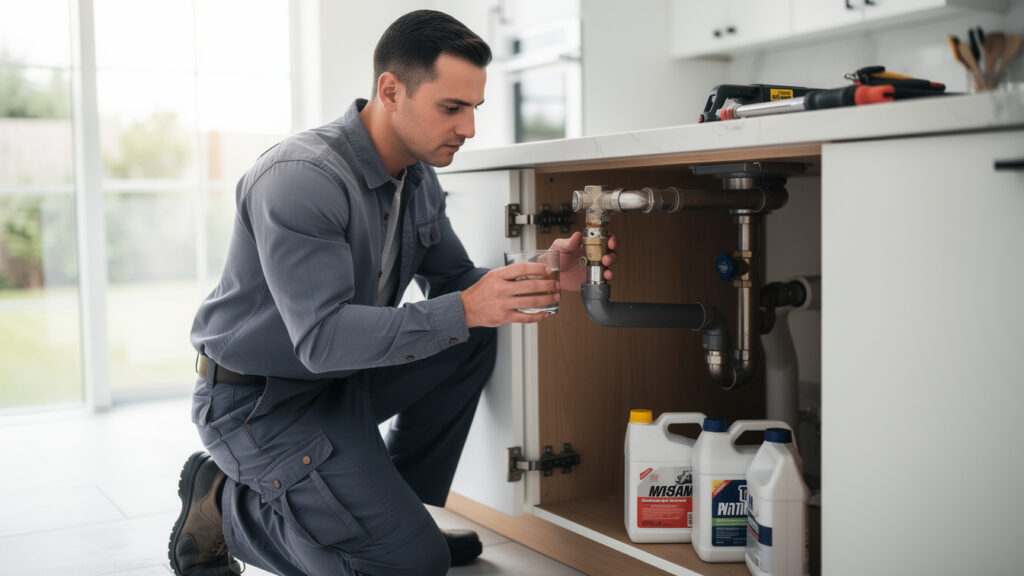
If you find that clogs persist despite your best DIY efforts, it might be time to call in the professionals. A skilled plumber can provide a thorough inspection and effective solutions like hydro-jetting. This technique uses high-pressure water streams to clear stubborn clogs without damaging pipes, making it a viable alternative to harmful chemicals.
Moreover, regular maintenance checks can identify any lurking issues before they escalate into full-blown plumbing emergencies. Think of regular maintenance as preventive care for your home plumbing—essential for longevity and efficiency.
Emphasizing the Importance of Pipe Maintenance
Caring for your pipes involves understanding what goes in them and how to treat them. Regular maintenance can be as simple as using enzyme-based cleaners, which break down organic matter efficiently without the irritation of harsh chemicals. This approach ensures your pipes remain in good shape and reduce potential hazards for your home.
By integrating preventative strategies and engaging professionals when necessary, you can ensure your plumbing remains functional and frustration-free. Keeping your pipes healthy requires just a little investment of time and care.
So the next time you’re pondering reaching for that chemical drain cleaner, consider swapping it out for one of these eco-friendly, effective alternatives. Your pipes—and your future self—will thank you for it! 🌟