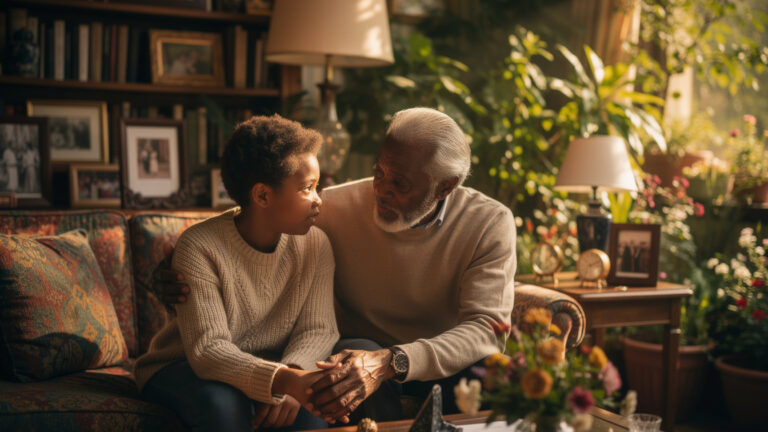


Sibling dynamics can be as intricate as a well-spun web, and the threads often get tangled. My relationship with my sister is a classic case of this complexity. What began as innocent childhood rivalry morphed into a multifaceted conflict that persisted into adulthood. However, in the quest for understanding, the breakthrough came from uncovering the hidden roles we often unknowingly play within the family structure. Through this exploration, I discovered the keys to not only resolving our conflicts but transforming our bond into a healthier relationship.
Highlights
- Unraveled the roles within family dynamics 🧩
- Shifted from rivalry to collaboration 🤝
- Emphasized the importance of communication 🗣️
- Facilitated relationship healing through understanding 💖
Throughout my childhood, sibling rivalry painted my interactions with my sister in vibrant—yet often harsh—colors. The competition was consistently rooted in the typical quests for parental attention, emotional support, and tangible rewards like toys. Whenever I experienced a fleeting triumph in academics or sports, a shadow of tension would descend upon our household. With every sibling scuffle and petty jealousy, our connection frayed, and misunderstandings thrived. However, this conflict, while painful, also ignited an essential realization about family roles and dynamics.
The Building Blocks of Rivalry
Understanding the reasons behind sibling rivalry unveils much about our internal landscapes. The emotions driving these conflicts aren’t arbitrary; they stem from a combination of jealousy, competition for resources, and even parental dynamics. For instance, I often perceived our parents’ attention as a finite resource. It felt like a game of chess, where only one of us could claim victory over mom’s delicious brown bag lunches or dad’s proud nod. Over time, these situations cultivated deep-seated feelings of inadequacy, igniting a rich tapestry of conflict in our relationship.
As I delved deeper into our family dynamics, I realized how unrecognized favoritism or even simple miscommunication could distort our perceptions. For young children, feelings and interpretations often twist our views about our siblings. Finding someone who understands this complexity is crucial. Exploring these feelings with an open heart allows for personal growth, fostering empathy in the long run.
Communication: The Pathway to Healing
With understanding comes the vital need for effective communication. Initially, conversations with my sister felt like navigating a minefield; words could easily trigger a defensive reaction. However, establishing constructive communication patterns became paramount. We slowly began discussing our perceptions of family roles without veering off into a blame game. This shift transformed our interactions. Rather than lobbing accusations, we started voicing concerns about feelings—an emotional insight that significantly enhanced our relational fabric.
- Practicing active listening 👂
- Encouraging open dialogue 🗨️
- Emphasizing shared values 🌱
For instance, I learned that my sister felt overshadowed by my successes, which caused her to respond with competitive energy rather than encouragement. Understanding her perspective helped me recalibrate my approach, creating a nurturing space that reduced tension and reinforced our family bond.
Shifting from Rivalry to Collaboration
Once we grasped our roles within the family tapestry, the next step was collaboration. Instead of viewing our interactions as a contest, we shifted towards a partnership. Personal growth became our collective goal. With the groundwork laid, we decided to create a shared project—organizing a family reunion. This joint effort demanded teamwork, camaraderie, and compromise, which drove us to resolve the discord that once defined our relationship.
Interestingly, this endeavor also prompted us to unearth our innate strengths. Where I typically shone in planning and logistics, my sister possessed a unique flair for creativity. Recognizing these skillsets helped redefine our relationship; rather than competing, we began to support each other. We transitioned from rivals to allies, a change that fortified our unity.
Key Strategies for Maintaining Harmony
To cement this progress, we adopted practical strategies designed to maintain lasting harmony within the sibling relationship. These included establishing regular check-ins to discuss any lingering feelings and shifting dynamics, as well as undertaking team-based challenges to strengthen our communication further.
- Weekly catch-ups over coffee ☕
- Participating in collaborative hobbies together 🎨
- Seeking external support when conflicts arise 🌈
These proactive measures solidified our improvements, creating an environment where open communication flourished and personal growth was celebrated. Refusing to view one another as competitors laid the framework for a fruitful and supportive relationship—an outcome I once thought impossible.
Conclusion
Throughout this journey, my relationship with my sister has blossomed into something lifegiving. By understanding our family roles and actively working on conflict resolution, we’ve transformed a lifelong rivalry into a foundation for empathy, growth, and strong familial bonds. Sibling relationships can evolve, given the right tools and shared commitment. With that understanding under our belts, my sister and I continue to navigate the complexities of family dynamics with greater awareness and hope for the future.