
Tools are the backbone of any DIY enthusiast’s toolbox. However, over time, moisture and neglect can lead to a frustrating predicament: rust. It can turn your most trusted companions into untrustworthy ones, causing slips and potentially ruining a good project. Thankfully, I discovered a mechanic’s secret that changed everything and made my rusty tools look brand new in just seven days.
Highlights
- ✨ Simple, Effective Techniques: Utilized common household items for rust removal.
- 🛠️ Safety First: Ensured proper safety measures during the cleaning process.
- 🔧 Maintenance Matters: Regular upkeep can save tools from future rusting.
- 🔍 Tool Restoration: Brought back the shine and functionality of old tools.
Did you know? Light rust doesn’t do lasting damage at first, but neglecting it can lead to costly replacements!
Rust forms when metal reacts with moisture in the environment, leading to iron oxide buildup. Common culprits in the garage include high humidity, temperature fluctuations, and, unfortunately, improper tool storage. In my case, the tools sat idle, neglected in a damp corner, preparing to meet their doom. But I refused to let rust win.
Understanding Rust: Creating a Battle Plan
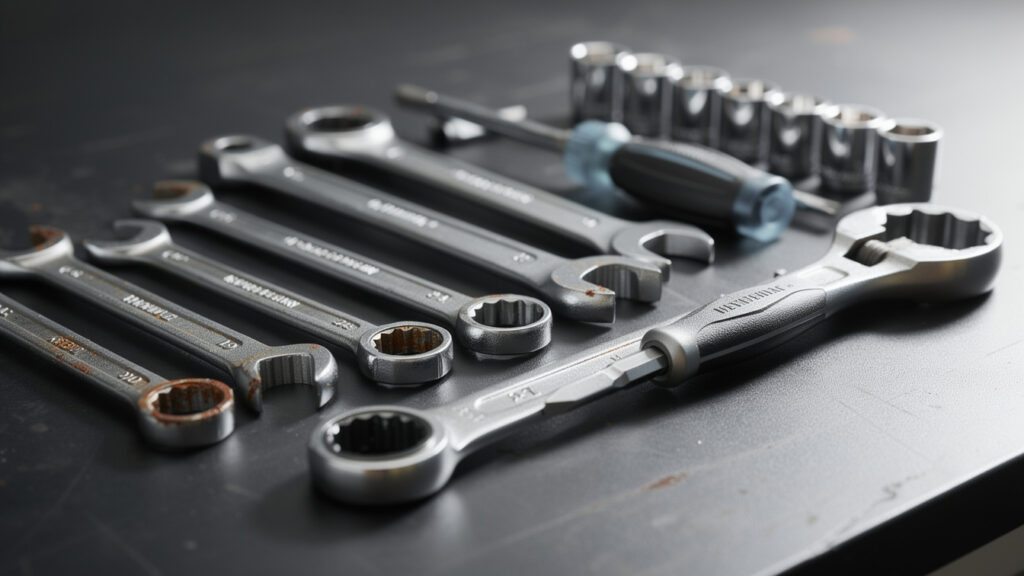
Before diving into battle against rust, it’s crucial to understand its enemies. Moisture is the primary antagonist, thriving in humid air and wet conditions. Tools exposed to these elements can deteriorate quickly. I remember finding a once shiny wrench turned dull and uneven. It didn’t just look bad; it also compromised functionality.
Preventing rust in the first place is always better than cleaning it later. I began implementing these simple storage methods: keeping tools off concrete (where moisture can creep up), storing them in a dry area, and even using silica gel packs to absorb moisture. It’s all about creating a hostile environment for rust!
Rust Removal Techniques That Work Wonders
After untangling the mystery of rust formation, I was ready to apply a few trusted techniques. First up: the trusty vinegar soak. It was simple. I submerged my rusted tools in white vinegar, allowing the acetic acid to work its magic overnight. It’s amazing how easy it is to bring rusty tools back to life with just a little patience and common sense.
Next, I opted for baking soda paste on particularly stubborn rust spots. Mixing baking soda with water created a thick paste that clung to rusted areas like a second skin. After an hour, I scrubbed it off and marveled at the gleaming metal underneath!
For heavy rust, I turned to Evapo-Rust. This product is a godsend for tool restoration. Just soak the affected items, let them sit, and rinse them off. Easy and efficient! I returned to find tools that looked as good as they did on their very first day.
Using a wire brush as well made light work of any remaining debris that didn’t come off easily. I learned that using the right tool for the job—literally—was essential. While scrubbing, I kept reminding myself: slow and steady wins the race. Hasty moves can lead to damage, especially for precision tools.
Maintenance: The Key to Longevity
Now, it wasn’t enough just to refresh the tools; I needed to ensure they stayed protected. I set a reminder to wipe them down with a light coat of oil after every use. This simple task was quick and ensures moisture is kept at bay.
Furthermore, the habit of checking tools regularly definitely pays off. I changed my tool storage techniques to include a designated, dry, and higher-placed toolbox away from the concrete floors in my garage. It turns out, a little planning goes a long way!
And let’s talk about the joy of seeing those tools in action again. I remember the first project I tackled post-cleaning. That newly restored wrench gripped more securely than I recalled, allowing me to approach the task with renewed confidence. Ensuring your trusty tools remain in prime condition? That’s just smart.
Don’t Let Rust Win: Conclusion and Next Steps
It’s clear that neglecting tool maintenance leads to the same old story: rust leads to replacements. Armed with my newfound knowledge and the mechanic’s secret I tested, it’s easier than ever to bring tools back from the abyss. If you’re faced with rusty tools, take immediate action using safety precautions and effective methods I shared.
The secret to longevity lies not just in the techniques used for restoration but in the commitment to ongoing maintenance. Small efforts compound to make a significant difference. Trust me; I’ve upgraded my workshop skills and learned to appreciate the shine of clean, effective tools.
Time to Get to Work!
So, what are you waiting for? It sounds cliché, but it’s true: don’t throw away those rusty tools! Look at them as opportunities to enhance your skills. Start with a little vinegar, a sprinkle of baking soda, and see the transformation. Remember, a little effort today can extend the life of your tools for many more projects to come!