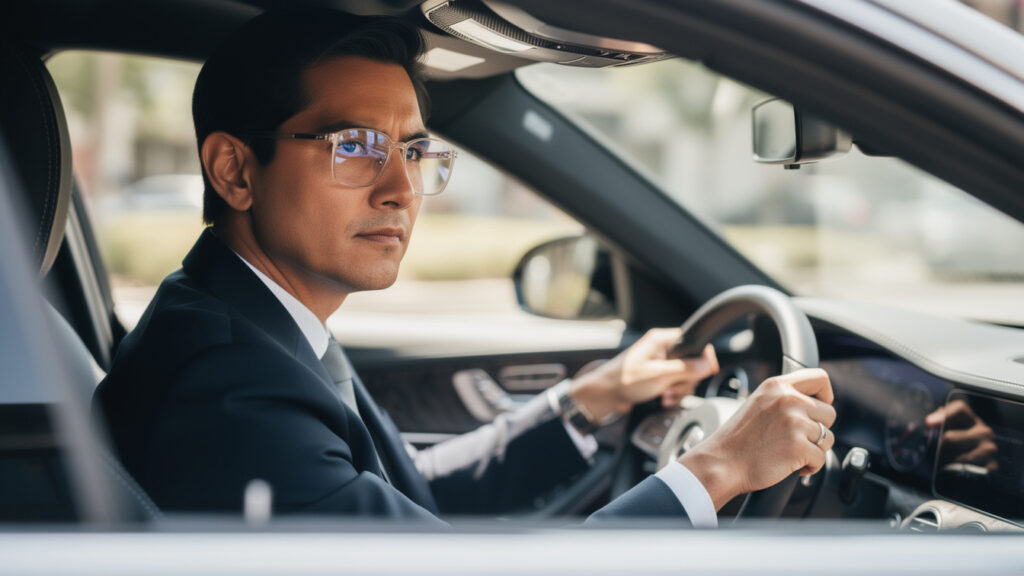

The last six months have been a wild ride, and not just because I was behind the wheel. I decided to test the waters with some popular driving glasses, thinking they’d be the answer to my prayers for better visibility. Spoiler alert: they nearly wrecked my driving license, and not in the way you might think.
Highlights
- 🚗 The dangers of not wearing the right glasses while driving.
- 👓 What makes a good pair of driving glasses?
- 🌟 How different lenses can impact your vision.
- 🔍 The importance of regular eye testing.
- ⚠️ Real-life implications of wearing the wrong eyewear.
Did you know that up to 90% of the information we gather while driving comes from our vision? That’s how crucial good eyewear is!
The True Role of Specialized Driving Glasses
First off, let’s get this straight: driving isn’t just about steering a vehicle; it’s about vision. Each time you grab the wheel, your eyes are tasked with filtering through bright sunlight, glistening wet roads, and the occasional dense fog. That’s a lot of pressure on our peepers. Regular sunglasses just won’t cut it.
What’s key is finding glasses specifically designed for driving. These glasses should enhance contrast, reduce glare, and improve overall vision. I learned this the hard way, testing popular options without really considering what I truly needed.
My Misadventures with Driving Glasses
At first, I thought I had struck gold. The promise of crystal-clear vision and reduced eye strain sounded like a dream come true. However, my excitement quickly turned sour. Some lenses had a yellow tint, which supposedly enhanced daytime contrast. But when the sun set, it felt like I was driving through a dark tunnel. Not exactly ideal.
There were incidents—like that time I nearly missed a stop sign because the tint distorted my depth perception. Luckily, I managed to slam on the brakes in time, but it was a wake-up call. I realized that improving vision isn’t just a gimmick; the wrong glasses can transform a harmless drive into a risky endeavor.
Understanding the Science Behind Your Glasses
What I didn’t fully grasp until later is how different lenses interact with light. Let’s break it down with some science:
- 🔆 Polarized lenses cut glare by filtering horizontal light waves. Perfect for bright sunny days, but they may dull essential signs or lights.
- 🤕 Anti-reflective coatings can help with night driving by minimizing reflections. A game-changer when headlights are blinding.
- 🕶️ Tinted lenses might seem cool, but if you’re not careful, you can end up with poor visibility at night.
Your prescription matters as well. Regular eye exams are essential to stay ahead of vision issues. All it takes is one slip in your vision to put your safety at risk and leave you staring down the barrel of a revoked license.
The Importance of Consistent Eye Testing
In my experience, eye testing doesn’t just sound like another chore; it represents a lifeline. Even if you think your vision is fine, routine check-ups (especially for those over 40) are vital. Age-related vision issues, like presbyopia, sneak up on us and can significantly impact driving safety.
The last thing anyone wants is to squint at road signs or struggle to read your GPS directions. Regular testing helps catch problems before they escalate, ensuring that your glasses are suited for both distance and clarity, making road safety a priority.
A Cautionary Tale: The Risks of Inadequate Vision
So here’s the deal—after realizing how poorly my glasses were serving me, I made the necessary changes. I got a complete eye exam and asked a lot of questions. It turned out that my old lenses were only good for reading—imagine trying to navigate the heavy traffic or a dark freeway while squinting!
With a new pair tailored for driving, I noticed the immediate difference. My field of vision expanded, and I was no longer straining to adjust. Not only did this ease my discomfort, but it also gave me peace of mind while driving—a feeling I had unintentionally jeopardized.
But don’t just take my word for it. Studies show that proper eyewear can significantly reduce incident rates on the road. Poor vision linked to inadequate glasses dramatically increases the risk of accidents. I can’t stress enough—driving is a privilege that needs caution and responsibility.
Making the Right Choice for Safety
What’s my parting advice? Don’t skimp on driving eyewear. Here’s what to consider:
- ✅ Consult your eye care professional: Be candid about your driving habits and any issues you face.
- ✅ Look for anti-reflective coatings: Especially useful in low light conditions.
- ✅ Choose frames that don’t obstruct your peripheral vision: It’s crucial for spotting hazards on the road.
- ✅ Test different lenses: A little experimentation goes a long way in finding what works for you.
Driving safety is non-negotiable. It’s your responsibility to ensure that you’re equipped with the right tools to keep yourself and others safe on the roads.
Ultimately, the lesson here is clear: Grab the right glasses, and you won’t just see better; you’ll feel better. Keep focus on errant drivers and pesky stop signs, and carry on thriving on the open road.
It’s easy to think you’re invincible until you’re not. Far too often, that clarity we’re aiming for can turn into a cloudy haze of confusion. Make sure your eyewear is working for you, not against you.