
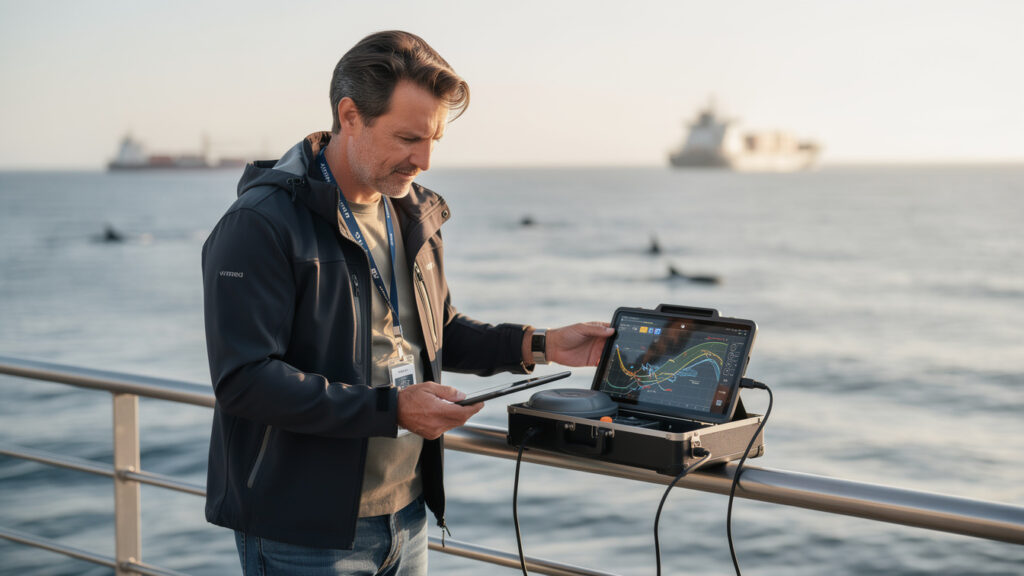

In recent years, a fascinating yet alarming pattern has emerged in the waters surrounding the Iberian Peninsula: orcas, or killer whales, are increasingly engaging in what experts are calling “coordinated attacks” on ships. These interactions have shifted from mere curiosity to increasingly aggressive behavior, raising serious questions about marine wildlife dynamics and naval safety.
Highlights
- Unprecedented Incidents: Over 600 vessels have encountered conflicts with orcas, resulting in several sinkings. 🚢
- Behavioral Patterns: These incidents are not random; they reflect a cultural transmission of learned behaviors among orcas. 🐋
- Emerging Theories: Scientists are exploring theories ranging from traumatic experiences to playful interactions. 🤔
- Impact on Shipping: Maritime routes are changing, with shipping companies adjusting their strategies for safety. ⚓️
Reports of orca interactions with boats have surged since 2020, particularly around the Strait of Gibraltar. An astonishing 500 encounters have been documented, escalating in frequency each year. Initially viewed as isolated incidents, these confrontations now reveal a complex social structure among the orca pods involved, specifically the Iberian orca population, whose numbers are critically low—only about 39 individuals remain. Researchers have pinpointed the so-called “Gibraltar Strait pod,” comprised of approximately 15 orcas known for their increasingly bold actions against vessels.
Understanding the Orca Behavior Shift
What drives these majestic creatures to target ships? Marine experts are delving into several theories that may explain this unusual behavior.
One prevalent hypothesis is the “critical moment” theory, suggesting that past traumatic interactions with ships—such as collisions or entanglements—could trigger aggressive responses. Recent studies indicate that around 3% of the Iberian population bears scars from vessel strikes, making it plausible that these incidents could breed mistrust towards maritime activity.
On the other hand, some researchers theorize that orcas may simply be engaging in play. Known for their playful nature, these social animals could confuse boat rudders for an intriguing challenge. Dr. Renaud de Stephanis, a marine expert, has noted similarities between orca interactions with boats and their hunting tactics. This playful behavior might not aim to damage but rather to explore their environment, showcasing their intelligence.
Implications for Naval Safety
The uptick in these orca sightings—accompanied by their bold behavior—has profound implications for marine safety. Shipping sectors are grappling with new navigational hazards, and maritime authorities have issued alerts for high-risk areas like the Strait of Gibraltar.
- Navigate Cautiously: Ships are advised to reduce speed and maintain a safe distance from orca pods. 🚤
- Stay Informed: Real-time updates on orca movements can help sailors avoid encounters. 📡
- Adjust Equipment: Shipping companies are investing in reinforced rudder systems to mitigate damages. ⚙️
Interestingly, despite hundreds of interactions, no human injuries have been reported, suggesting that orcas might not view humans as prey or threats. They seem to primarily target the rudders, likely out of curiosity, rather than malice. Dr. Jared Towers emphasizes that these skilled predators could easily inflict greater damage if they wished.
The Science of Communication and Coordination
Another aspect of these encounters that warrants attention is orca communication. Experts are now examining how these highly intelligent mammals may be sharing learned behaviors through social learning within their pods. The interactions appear well-coordinated, with orcas taking turns “attacking” boats in ways that demonstrate strategic planning.
Researchers are leveraging various scientific methods, such as acoustic monitoring and drone footage, to gain insights into orca communication patterns and social structures. These observations are critical for understanding how behaviors spread across pods and what this means for both orcas and human maritime activities.
Moving Forward: Collaboration Between Conservation and Shipping
The intersection of human activity and wildlife is fraught with complexities, especially as marine ecosystems evolve. Shipping companies, researchers, and conservationists must collaborate to navigate these challenges effectively. It’s essential to strike a balance between safeguarding human interests and protecting this endangered orca population.
- Guidelines Development: Establishing best practices for vessels operating in orca habitats will be crucial. 📜
- Public Awareness: Educating sailors and the public about orca behavior can foster greater respect for these animals. 🐬
- Conservation Efforts: Advocating for marine protected areas is vital for the orcas’ survival. 🌊
As researchers continue to unravel the intricate dynamics of orca behavior, the unfolding narrative of these coordinated attacks adds a compelling chapter to our understanding of marine wildlife. While these developments are undoubtedly concerning for shipping industries, they also underscore the remarkable intelligence and adaptability of orcas—a duality that must be preserved as we navigate our collective futures on this shared planet.