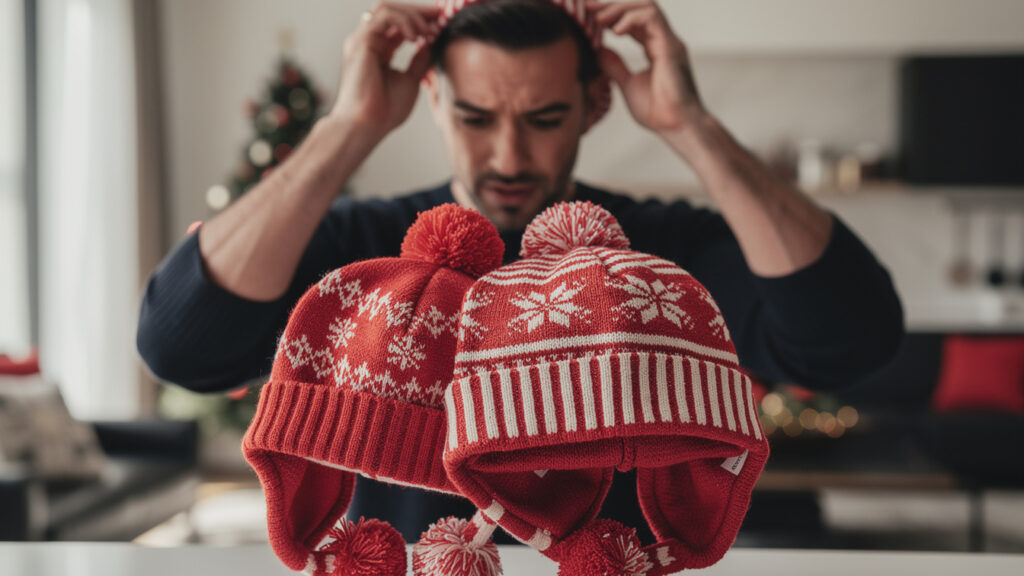

As we step into January, a time of year typical for resets and new beginnings, there’s an unexpected topic swirling around: hair loss. You might think it’s all about genetics or stress, but hold on—what if sharing Christmas hats could be a contributing factor? The holiday season brings gatherings, shared laughter, and yes, shared hats. But are these festive fashion choices really a threat to our precious locks? Let’s dissect the surprising links between seasonal habits and hair health, and explore how something as innocent as hat-sharing could be more than just a fashion statement.
Highlights
- Myth Busting: Wearing hats doesn’t directly cause hair loss! 🎩
- Scalp Hygiene: Sharing hats can lead to contagious conditions that impact hair health. 🦠
- Genetics and Stress: These factors primarily drive hair loss, not that snug beanie. 📉
- Practical Advice: Keep your scalp clean and healthy, especially during the hat-wearing season! 🧼
Did you know that the hair loss industry is worth billions, making it ripe for misinformation? Experts stress the importance of a personalized approach to treatment.
The Real Culprits Behind Hair Loss
When it comes to hair loss, the picture isn’t as simple as “It’s all in your genes.” While genetics play a significant role, we often overlook other prevalent factors. Hormonal changes, nutritional deficiencies, and even stress can significantly contribute to what some of us dread: the dreaded hair shedding. And speaking of shedding, you might not even know that you’re facing potential risks by sharing those festive Christmas hats.
Research pinpoints a condition called traction alopecia, which occurs from repeated tension on the hair follicles. So, let’s say your friend insists you try on that oversized Santa hat—every tug could weaken your hair roots. Unfortunate, right? While wearing a hat doesn’t inherently damage hair follicles or make them lose strength, improper fit or excessive tugging can, and that’s where the magic—and potential loss—happens.
Contagious Conditions: More Than Just a Fashion Statement
With winter holiday gatherings, the likelihood of sharing hats rises. But this seemingly innocent act could introduce infectious hair loss conditions like tinea capitis—better known as scalp ringworm. This fungal infection can spread through shared hats, leaving a path of itchy irritation and hair loss in its wake. If you’re scratching your head right now, that’s good reason to be cautious.
This season, put hygiene at the forefront. Keep your favorite hats clean, and consider that stylized beanie you adore but might want to reserve for *your* own head. Here’s a pro tip: if someone’s sporting a new Christmas accessory, it might be worth keeping your distance—especially if the person has been unwell.
Hat Myths and Their Realities
So what’s the bottom line? Many folks fear that wearing hats can trigger or exacerbate hair loss due to poor circulation or blocked hair follicles. This belief is largely unfounded. Hats rest gently atop the head and do not cause significant pressure that would impede blood flow to the scalp—contrary to popular belief.
A few points to consider to clear up misconceptions:
- Myth 1: Wearing hats stops oxygen from reaching your hair follicles. 🧢
Reality: Oxygen delivery to hair follicles happens through the bloodstream, not the air. - Myth 2: Hats cause bald spots. 🕵️♂️
Reality: Unless they’re remarkably tight, hats are not inherently the villain in your hair loss story.
Your best defense against hair loss is awareness—knowing when to laugh at a joke and when to snatch back your beanie before letting someone else try it on. The shared warmth may fuel camaraderie, but being smart about your hair health is priceless.
Practical Solutions for Maintaining Hair Health
To steer clear of potential pitfalls, let’s sharpen the focus on practical solutions. Engaging in some simple hair care routines will go a long way in preventing hair loss.
- Keep It Clean: Regularly wash your hair and hats. 🧴
- Choose Comfort: Opt for hats that fit loosely to avoid unnecessary tension. 🎈
- Monitor Scalp Health: Check for irritation regularly, especially after festive gatherings. 🔍
Remember, investing in your scalp hygiene can significantly enhance your hair’s vitality and strength. The truth is, while genetics and stress are influential, your habits can make a huge difference in how your hair fares.
Keeping a Balanced Perspective
When all’s said and done, sharing Christmas hats may bring joy to the season, but it won’t decide the fate of our mane. What really matters is how we treat our hair and scalp every day. Recognizing the importance of healthy habits beyond the festive season keeps both hair and spirits high.
In this new year, let’s commit to making informed choices. Be wise about the accessories passed around during holiday gatherings and remember, quite often, hair health is in our hands (or hats!). As the season of new beginnings invites changes, let’s make hair care part of that list. It might just save your locks, and who knows, your holiday cheer could be the one that truly lasts.