
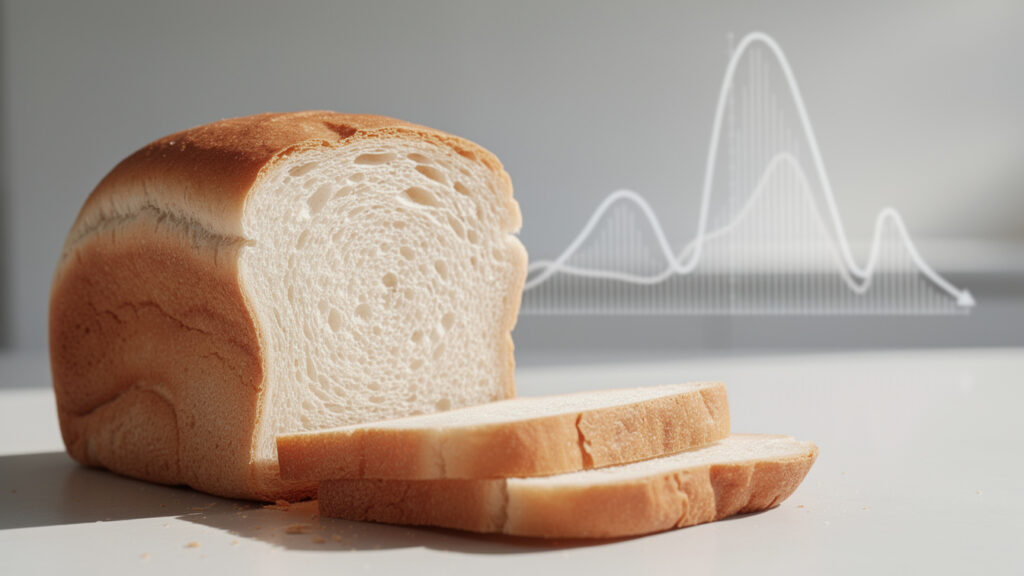

As the New Year rolls in, many of us are evaluating our dietary habits, but let’s get real for a moment: how often do we stop to think about the implications of our everyday choices? Today, I want to present a raw, eye-opening conversation about a staple that many consider benign—bread. Yes, you heard me right. With experts ringing alarm bells, it’s time to examine why common bread is wreaking havoc on your metabolism and, more specifically, your blood sugar levels.
Highlights
- Rising Blood Sugar Levels: Common breads, particularly white and processed varieties, can spike blood sugar levels 🚀.
- Insulin Resistance: Continuous blood sugar spikes may lead to increased insulin resistance, setting the stage for long-term weight gain ⚖️.
- The Glycemic Index: Not all carbs are created equal; understanding the glycemic index can help you make smarter choices 📊.
- Healthier Alternatives: Discover bread options that support your metabolism without the spikes! 🍞
Did you know that consuming refined carbohydrates can increase your risk of insulin resistance over time? Experts say steady blood sugar is crucial for overall health!
Understanding Carbohydrates and Blood Sugar
Carbohydrates are essential for fueling our bodies, but the type of carbs we consume matters significantly. Refined carbohydrates, like those found in most common breads, break down quickly and cause rapid spikes in blood sugar. Imagine eating white bread; it might taste soft and delightful, but it acts more like rocket fuel for your blood sugar levels.
Research shows that these sudden surges in blood sugar are often followed by rapid drops, leading to a cycle of cravings and fatigue. Over time, these fluctuations can push our bodies toward insulin resistance, paving the way for weight gain and even type 2 diabetes. Who needs that as a New Year’s resolution?
Instead, opt for complex carbohydrates found in whole grains and vegetables that digest slowly. These options help you experience long-lasting energy and keep your metabolism steady. Think of it as a slow, consistent burn versus a quick explosion—and who wouldn’t want to sustain their energy throughout the day?
Common Breakfast Choices: What to Avoid
Let’s dive deeper into breakfast choices that may be sabotaging our health. Here are some culprits to watch out for:
- Bagels: Dense and calorie-laden, bagels are made from refined flour that can cause a hefty blood sugar spike. They pack around 50 grams of carbs each—think about that next time you grab one for breakfast! 🥯
- Muffins: Often masquerading as healthy, many muffins are laden with sugar and refined flour that can push you toward energy crashes. They often carry more calories than you’d expect—watch out! 🧁
- Sugary Cereals: Those bowls of sweet, crunchy goodness could be setting you up for a rollercoaster ride of energy dips and cravings. Look for cereals with less than 10% of calories from sugar. 🍚
- Canned Fruit in Syrup: Don’t be fooled by the sweetness. The added sugars in syrup can wreak havoc on your blood sugar. Always opt for fresh or water-packed fruits. 🍑
- Granola Bars: Another “healthy” snack that often conceals hidden sugars and calories. Try making your own trail mix for a crunchy, satisfying snack. 🥜
The Real Deal on Common Bread
Every time I reach for a loaf, I can’t help but think about Joe Rogan’s statements regarding American bread. He claims that the quality here is a far cry from what you’d find in Europe, particularly Italy. He pointed out that many U.S. bread products are packed with preservatives and additives that don’t contribute positively to our health. But what should we be looking for?
Nutrition experts recommend opting for breads with whole grains as the first ingredient and minimal added sugars. Products like Ezekiel bread, made from sprouted grains, are gaining popularity for their superior nutritional value. They bypass many of the problems linked to traditional white bread while still providing a satisfying taste.
Making Better Dietary Choices
So how can we “Stop the Spike”? It begins with understanding the glycemic index (GI) of the foods we eat. Foods with a lower GI digest slowly and have a minimal impact on blood sugar. Here’s a short list of friendlier bread options to consider:
- Sourdough: Known for its lower GI than traditional bread, sourdough digests more slowly, making it a more suitable choice for breakfast. 🌾
- Pumpernickel: This dense rye bread has a firmer structure that the body takes longer to digest, keeping you fuller for longer. 🍞
- Whole-Wheat Bread: While it may not be the ultimate choice, a minimal ingredient list containing whole grains can still be beneficial. However, be cautious with added sugars. 🥖
Don’t forget to pair your bread with healthy fats or proteins. Adding avocado or nut butter can counterbalance sugar spikes, promoting steadier energy levels throughout the day.
Wrapping It Up
As you embark on your health journey this January, keep this bread conversation in mind. Your choices matter, and being informed can empower you to make better decisions for your metabolism and overall energy levels. Let’s embrace the power of knowledge and choose bread wisely. Are you ready to take that first step?