
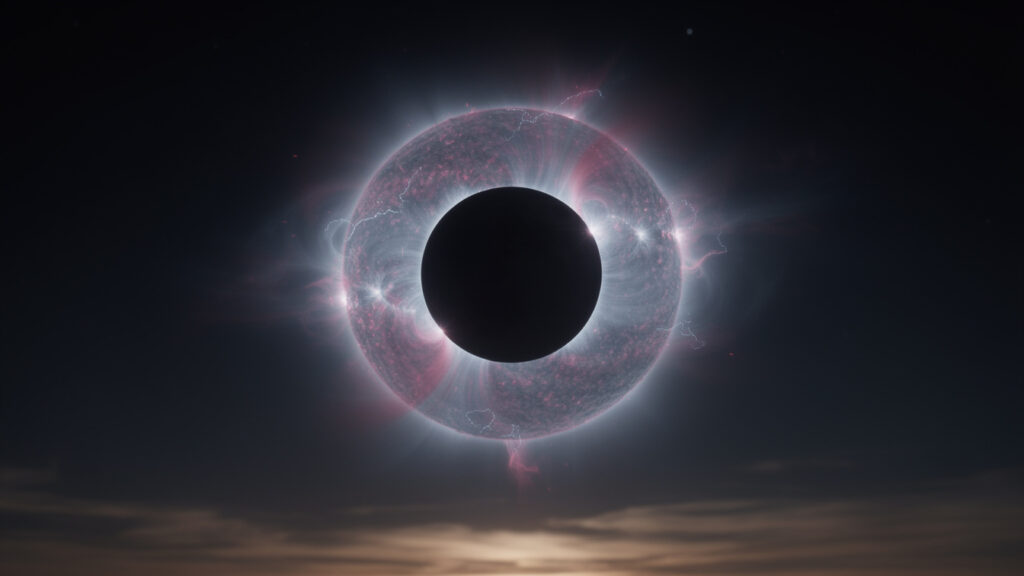

On August 2, 2027, the skies will transform dramatically, plunging day into night for a duration that will leave observers in awe. This total solar eclipse is set to be the longest of the 21st century, lasting a breathtaking 6 minutes and 23 seconds at its peak. If you’re wondering what makes this eclipse a must-see event, strap in as we explore the extraordinary spectacle that’s been dubbed the “eclipse of the century.”
Highlights
- 🌑 The eclipse will last over 6 minutes—a rare occurrence in our time.
- 🌍 The path of totality crosses key regions in Spain, North Africa, and the Middle East.
- 🧑🔬 This celestial event presents unique scientific research opportunities.
- 🌞 Observers in various parts of the world can expect a significant decrease in sunlight.
To truly appreciate this total eclipse, one must understand the astronomical mechanics behind it. In simple terms, we’re fortunate to see an alignment of the moon, sun, and Earth that enhances the eclipse’s duration.
Why This Eclipse Is So Long
The magic lies in a perfect alignment during a unique moment in time. The moon will be near its closest point to Earth (perigee), while Earth will be at aphelion, its farthest point from the sun. This setup not only maximizes the duration of totality but also expands the width of the moon’s shadow to an impressive 275 kilometers. The result? A long, leisurely show for those fortunate enough to find themselves in the shadow of the moon.
What does that mean for you? Over 90 million people will be in prime positions to witness totality. Imagine standing in iconic cities like Luxor in Egypt or Cadiz in Spain, experiencing nightfall in the middle of your daytime. It promises to be a memory that lingers long after the event has passed.
What to Expect: The Shadow Route
The journey of this cosmic dance begins in the Atlantic, where the eclipse will make landfall in southern Spain. Cities like Cadiz and Malaga will experience about 4 minutes of total darkness. The shadow will then sweep through North Africa, touching Algeria and Tunisia, eventually reaching places steeped in history like Luxor. Here, the eclipse will reach its maximum duration—an ideal spot for viewing.
As the shadow travels across the Red Sea and into Saudi Arabia, it will include major cities like Jeddah before culminating its journey in the Indian Ocean. Even if you’re not in the path of totality, many parts of Europe and Africa will witness a partial eclipse, with up to 90% of the sun obscured in some areas. This accessibility makes it one of the most anticipated celestial events on a global scale.
Tips for Safe Viewing
Watching a total solar eclipse can be a once-in-a-lifetime experience, but you need to prepare wisely! Safety should always come first, so here are some vital tips to keep in mind:
- 🕶️ Use certified eclipse glasses or filters that meet ISO 12312-2 standards to protect your eyes.
- 🚫 Say no to regular sunglasses. They won’t shield your eyes adequately during an eclipse.
- 🔭 If you’re using binoculars or a telescope, make sure to have proper solar filters—these devices can amplify sunlight.
- 🗓️ Book your accommodations in advance, especially in popular viewing locations, to avoid a last-minute scramble.
- 💧 Stay hydrated and wear sunblock; August temperatures can soar, especially in desert regions.
A Milestone for Science and Culture
This eclipse isn’t just a mesmerizing natural phenomenon; it’s a golden opportunity for scientific studies. Astronomers will have the chance to examine the solar corona, a feature only visible during a total solar eclipse, providing insights into the sun’s behavior. Educational institutions and scientific organizations around the world are gearing up for this event, offering workshops, broadcasts, and activities to engage the public.
Throughout history, eclipses have fascinated humanity. They’ve often been seen as omens or mystical events. With today’s technology, we can predict these occurrences with incredible accuracy, providing enthusiasts a chance to experience them with reliable certainty. The total solar eclipse of August 2, 2027, promises to be one of the most significant astronomical events we’ve witnessed in recent times, with anticipation building steadily as we approach the date.
As we stand on the cusp of this breathtaking celestial event, it’s apparent that this isn’t just an eclipse; it’s a moment in time where science, history, and human curiosity converge. Don’t miss out on experiencing something that will be talked about for generations to come!
Get Ready for the Eclipse!
Mark your calendars, book your trips, and prepare your viewing gear because this spectacular solar eclipse on August 2, 2027, is an experience that’ll ignite your imagination and spark conversations long after it has ended. With the sun, moon, and Earth aligning perfectly, you’ll want to be part of this cosmic ballet. Keep your eyes on the sky—you won’t regret it!