
As the chill of winter gives way to the vibrant promise of spring, many of us are shaking off the cobwebs and turning our attention to our gardens. But before we dive into planting, it’s essential to think strategically about how we manage our garden resources. Water isn’t just vital for our plants; it’s also a precious commodity that’s becoming more scrutinized with each passing year. Today, I want to share a simple yet effective garden trick that can save both water and effort, allowing for lush greenery without the extra hassle.
Highlights
- 🌧️ Collect rainwater to hydrate your garden!
- 🥕 Utilize mulch to reduce evaporation and retain moisture.
- 💧 Implement drip irrigation for efficiency and sustainability.
- 🌿 Choose native plants that require less water.
- 🌅 Water at optimal times for maximum absorption.
Did you know? A 1,000-square-foot roof can yield approximately 600 gallons of water from just one inch of rainfall! How’s that for a rainwater bonus?
Harness the Power of Rainwater Collection
Let’s start with the low-hanging fruit—rainwater collection. It sounds fancy, but truly, it’s a straightforward strategy anyone can implement. By installing rain barrels beneath your downspouts, you can effectively capture nature’s bounty.
Imagine facing a hot summer with a reservoir of free water at your disposal. One inch of rain can fill a barrel quickly, offering around 600 gallons of water. That’s a goldmine for your garden during dry spells or unseasonably warm days!
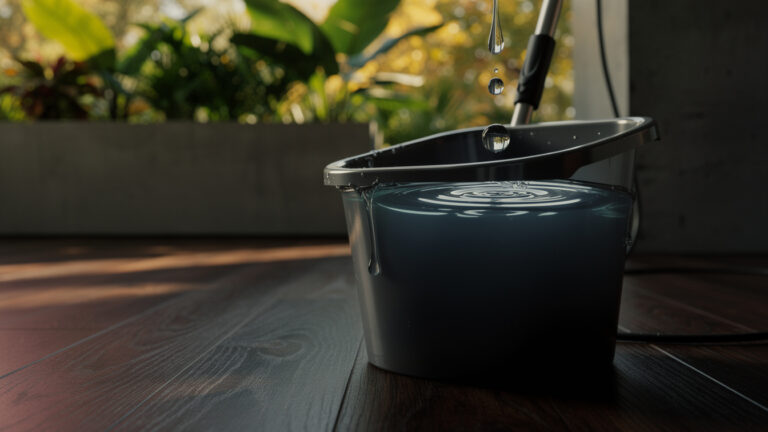
For added efficiency, consider placing multiple barrels around your property. Don’t overlook using buckets to catch water when you rinse out your vehicle or even during your laundry cycles. Every drop counts!
Mulch: Your Water-Wise Friend
Next up is mulch—one of the best-kept secrets in the gardening world. A generous layer of mulch, about 3-4 inches deep, can drastically slow down evaporation. Studies have shown that proper mulching can reduce water requirements by up to 70%. Plus, it helps with soil structure over time and suppresses weeds that compete for moisture.
Think of it as a protective blanket for your soil. Materials like shredded leaves, straw, or wood chips are often free if you know where to scavenge. The best part? Not only does mulch conserve water, but it also looks great and enhances the aesthetics of your garden.
Deep Watering: A Critical Technique
If there’s one tip worth embracing, it’s this: water deeply, not daily. Many gardeners fall into the trap of frequent, shallow watering, which leads to weeds and surface-level root systems. Instead, nourish your plants less often but more thoroughly.
Most mature plants thrive on a good soak once a week. This encourages them to develop strong, drought-resistant roots that sink deep into the soil, seeking moisture naturally. Your garden will be more resilient, and you won’t waste as much water in the process. An added bonus—less frequent watering means less time spent lugging around hoses or dragging out the watering can.
Drip Irrigation: The Future of Watering
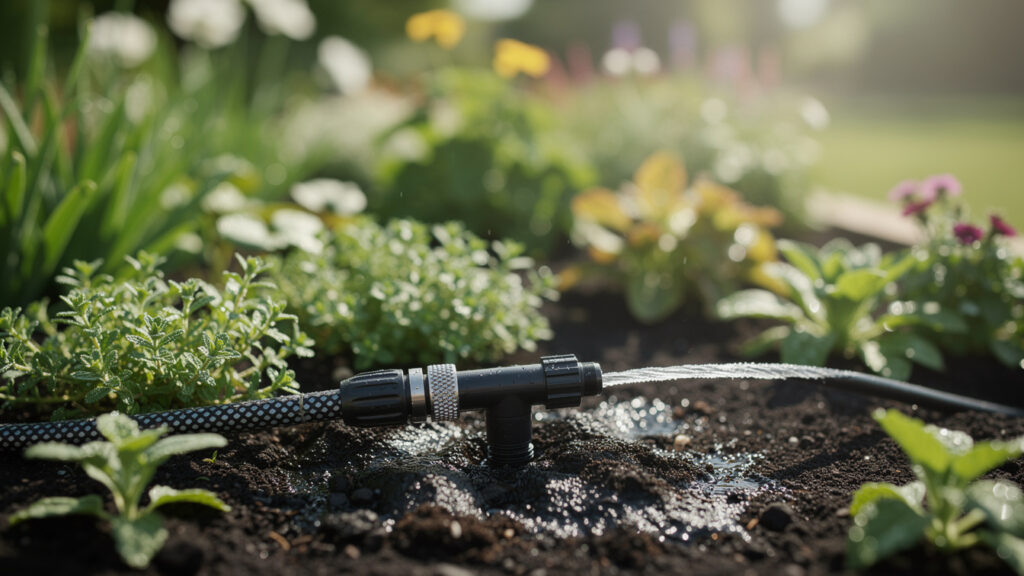
Old-school sprinklers are out; drip irrigation is in. This method delivers water directly to the roots of your plants, significantly cutting down on waste from evaporation—up to 80% less water consumed compared to traditional methods. And guess what? It’s quite easy to install with minimal tools.
Imagine a system where water trickles down to where it’s needed most, giving your plants what they need while conserving resources. Drip irrigation can pay for itself over time as you notice a decrease in your water bill and a notable improvement in plant health.
Even better, you can easily enjoy the DIY experience without breaking the bank. Grab some inexpensive drip tape, and you’re good to go!
Go Native: Planting with Purpose
Finally, consider using native plants in your garden. These flora beauties have adapted to local climates and typically require less watering once established. Their extensive root systems are great at accessing groundwater far beyond the reach of shallow-rooted plants.
Native plants not only thrive with lower water needs, but they also attract local pollinators, creating a symbiotic relationship that benefits your entire garden ecosystem. Think of them as the superheroes of the gardening world: resilient, resourceful, and beautiful!
Watering Wisdom: Timing Matters
Even with the best systems in place, when you water makes a significant impact. Early morning, between 4 and 7 a.m., is the prime time. At this hour, evaporation rates are low, and winds tend to be light, allowing for maximum moisture absorption. Watering in the evening might seem appealing but can result in wet leaves overnight, fostering fungal diseases.
Strategically timing your watering can save water and promote healthier plants. Couple that with these other water-saving techniques, and you’ll have a winning formula for a flourishing garden throughout the growing season.
As you embark on your gardening season, remember that the power to conserve water lies in simple, effective strategies. Use rainwater collection, embrace mulching, and adapt smart watering techniques to cultivate your green space effortlessly. In doing so, not only will your garden thrive, but you’ll also contribute to a sustainable future.
Be sure to come back for more tips on efficient gardening practices! Let’s keep our gardens lush and our impact on the planet light.