
The tide is shifting beneath our feet when it comes to bathroom essentials. Once a staple of personal hygiene, toilet paper is rapidly becoming outdated as consumers start to question its practicality and sustainability. As we step into 2026, modern bathrooms are embracing innovations that emphasize personal cleanliness, environmental responsibility, and overall comfort. This paradigm shift isn’t just about convenience; it taps into a growing consciousness about sustainability and the quest for thorough hygiene.
Highlights
- 🚽 The environmental impact of traditional toilet paper is significant.
- 🌊 Bidets are becoming popular as eco-friendly alternatives.
- ✨ Smart bathroom technology enhances comfort and hygiene.
- 🛠️ Upgrading to modern toilets with integrated bidets is easier than ever.
For over 150 years, we’ve relied on toilet paper to meet our hygiene needs, with little change in its form or function. But recent trends reveal that many are ready for something better—something that speaks to our current lifestyle, dominated by sustainability and bathroom innovation. As I delve into why this transition is happening, let’s first unpack the environmental issues surrounding toilet paper.
The Environmental Cost of Toilet Paper
It’s easy to assume that because toilet paper is biodegradable, it’s harmless. But the stark reality is that its production contributes significantly to deforestation, clearing an alarming number of trees daily. Did you know that finely processed ultra-soft varieties often include a high percentage of virgin wood pulp? This demand has a ripple effect, exacerbating global deforestation rates and complicating our sustainability efforts.
Alongside tree loss, the water consumption required to produce toilet paper is staggering. Manufacturing facilities need vast amounts of freshwater to process wood into paper, not to mention the environmental risks posed by chemical treatments aimed at improving softness and whiteness. This isn’t merely an abstract issue; it’s a tangible consequence that raises serious questions about the impact of our daily consumption.
The irony? Many homes have shifted to high-efficiency toilets and advanced personal hygiene solutions, yet we cling to the outdated reliance on paper. It’s time for a change—a shift towards a more sustainable, responsible approach to personal hygiene.
Why Water Works Better
Consider this: most people wouldn’t dream of using a dry tissue to wash their hands. So why is dry toilet paper still the norm? There’s a growing recognition that water cleans better than paper, leading a considerable number of Americans to explore alternatives. Enter the bidet—a clean, efficient way to maintain hygiene without all the waste.
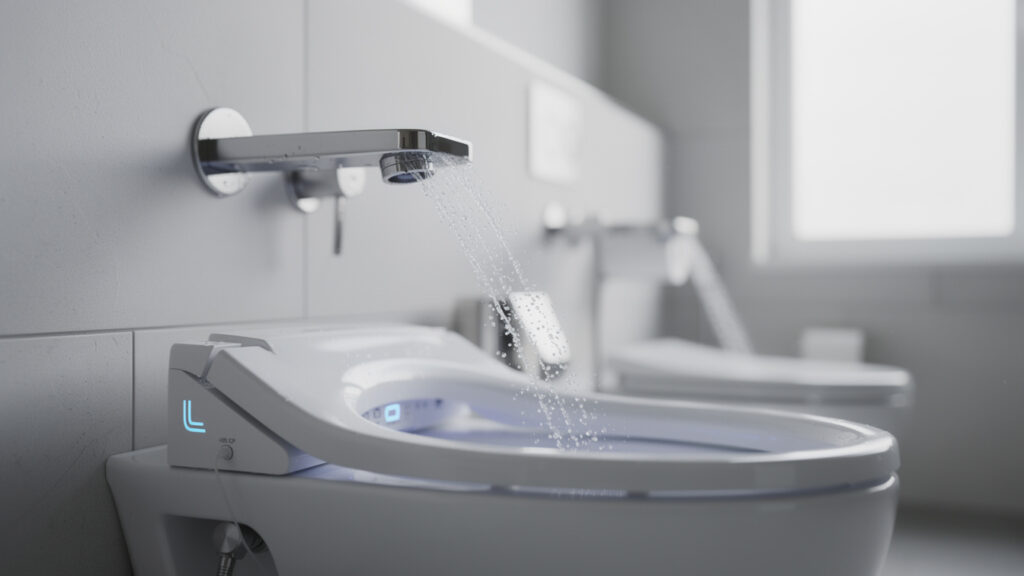
Modern electronic bidet systems, like the WASHLET, provide an elevated bathroom experience. These devices cleanse effectively using warm water, eliminate odors, and are powered by technology that can be operated with the push of a button. Comfort features, such as heated seats and integrated drying functions, make for a luxury experience that appeals to many.
It’s not just about comfort; it’s about rethinking hygiene entirely. Many cultures worldwide have embraced water-based cleansing for centuries, yielding insights that modern bathrooms should adopt. Countries in the Middle East and Asia often regard toilet paper as a lesser alternative to their sophisticated water delivery systems. We’re now seeing the rise of portable bidet options as viable, easy-to-use solutions that emphasize hygiene without compromising on comfort.
The Smart Bathroom Revolution
The modern bathroom is becoming a domain of technology and innovation. Features such as water efficiency and eco-friendliness are no longer optional; they are becoming standard expectations. Higher-end bidet models integrate a range of smart features, from self-cleaning mechanisms to energy-saving modes, making them an intelligent choice in any home.
Certain models even provide customizable settings, ensuring that every user can have their preferred wash experience easily accessible. For homeowners, integrating a bidet seat into existing bathroom designs has never been more straightforward, often requiring no major alterations or professional installation. You can turn your basic toilet into a state-of-the-art hygiene station in under 30 minutes!
The Transition in Consumer Mindset
As we navigate this tide of change, consumer feedback tells a compelling story. Many users who switched to bidets rave about their hygiene benefits—reporting feeling cleaner and less reliant on toilet paper than ever before. A bidet isn’t just another fixture in the bathroom; it’s a game changer for personal care that promotes an overall healthier lifestyle.
Moreover, the current cultural climate has fostered a greater emphasis on sustainability and innovative practices. As awareness around environmental impacts grows, more people are questioning long-held traditions around bathroom hygiene, sparking a movement that values smart choices over convenience.
If the family bathroom once leaned on dry paper as a default, the future is clearly steering towards an eco-friendly paradigm where we prioritize cleanliness and responsibility. This echoes a broader trend where our environmental footprint defines consumer preferences across numerous domains, from kitchen appliances to personal grooming products.
To sum up, the rise of bidets and advanced hygiene technology represents more than just a shift in bathroom dynamics—it marks a revolution in how we perceive cleanliness and care for the planet. The change isn’t just about getting cleaner; it’s about thinking sustainably and embracing a healthier lifestyle.
Curious about this vibrant change in the bathroom space? Join the movement for a cleaner, smarter, and more sustainable approach to hygiene. Explore the myriad options available, and see how the bathrooms of tomorrow can transform your daily routine!